
Butterflies of East Africa: What to Look For, When to Visit, and How Long to Stay
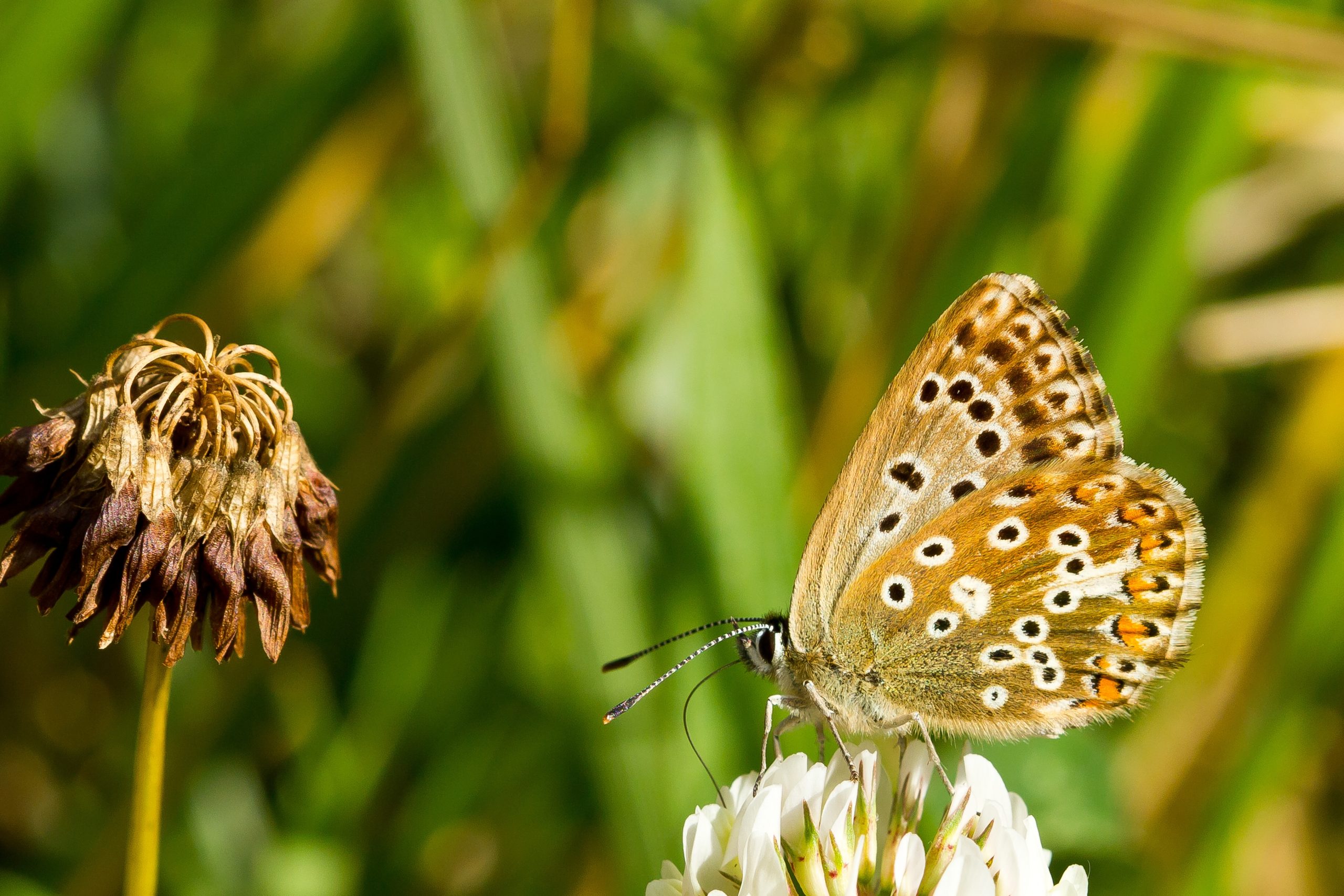
A butterfly sits on a leaf on the forest path. At first, its folded wings are almost part of the vegetation. Then it opens them and reveals a pattern you would have missed if you walked slightly faster.
Such little discoveries are part of what makes butterfly watching in East Africa so rewarding. The forests, gardens, and grasslands are home to an amazing variety of butterflies, as well as the region’s famous gorillas, lions, and elephants. Some are fairly easy to find near flowering plants; others require patient watching and a guide who knows where they like to hang out.
You don’t need to be a scientist to enjoy the experience. As a photographer, an inquisitive novice, or an experienced naturalist, knowing which butterflies to look for – and having time to find them—can turn an ordinary nature walk into a memorable part of your safari.
Which Butterflies Can You See in East Africa?
There are many more species of butterflies in East Africa than one holiday could cover. A sensible start is to pick a few and go to where they occur.
Good introductions to this diversity are African monarch, citrus swallowtail, African mocker swallowtail, green-banded swallowtail, and yellow pansy. They are different patterns, behaviors, and habitats, not a checklist every visitor should expect to complete.
You should use local records, recent weather, and specialist advice to help you to decide on your final destination.
Five Beautiful Butterflies to Look For in East Africa
1. African Monarch: A Colorful Introduction to Butterfly Watching
Scientific name: Danaus chrysippus
Also known as: Plain tiger or African queen
African Monarch is a particularly suitable learning butterfly for beginners. Its orange-brown wings with dark edges and contrasting pale markings are useful features to look for, although wing patterns can vary.
It is found in suitable open habitats, gardens, and flowering areas. It has been documented in Kenya and Tanzania, which are countries in East Africa.
Don’t chase every butterfly that floats by; stop at flowering vegetation and see what shows up. If you look closely at one butterfly, you will learn more than trying to put a few species together.
When to look: Warm, sunny periods when adults are active and suitable flowers are available. Local rainfall and vegetation conditions influence your chances.
2. Citrus Swallowtail: A Striking Butterfly Beyond the Forest
Scientific name: Papilio demodocus
The citrus swallowtail is a large, boldly patterned butterfly with dark wings and pale yellow markings. Despite its name, it does not have the prominent wing tails that many people associate with swallowtails.
It occurs in Uganda, Kenya, and Tanzania, making it a useful species to discuss when planning a broader East African nature holiday. Gardens, cultivated landscapes, and suitable flowering areas can provide opportunities to look for it.
Its name reflects the relationship between its caterpillars and citrus plants. Adult butterflies, however, may visit a variety of flowers.
When to look: During suitable warm weather, particularly where flowering plants and fresh vegetation support butterfly activity. Ask about recent local sightings rather than relying on one fixed month.
3. African Mocker Swallowtail: A Lesson in Looking Closely
Scientific name: Papilio dardanus
The African mocker swallowtail is of special interest, as the sexes are dimorphic and the females occur in several forms. This makes it a particularly compelling example of why identifying butterflies is more than just matching a single photograph.
Another area of interest is coastal Kenya, where local records can be used to identify suitable sites. A good guide will tell you what features to look for and how to tell it apart from similar butterflies.
This is a good reason for photographers to take several clear views when you can.
When to look: Plan around conditions at the selected site. In Kenya’s coastal forests and woodlands, butterfly activity often increases after good rains, with late June into July worth considering when local conditions are favorable.
4. Green-Banded Swallowtail: A Forest Butterfly Worth Watching For
Scientific name: Papilio nireus
The green-banded swallowtail has dark wings crossed by a contrasting green band. It is a striking example of the butterflies that can make a forest walk rewarding.
The species is recorded in Semuliki National Park in Uganda and in coastal Kenya. These records identify places to investigate, but they do not mean visitors will encounter it on every walk.

Butterflies of East Africa
In forest habitats, patience matters. Watch suitable edges and sunlit openings rather than expecting all butterflies to appear along shaded trails.
When to look: During warm, bright intervals when butterflies are active. Allow repeated walking opportunities if this species is an important photography or observation target.
5. Yellow Pansy: A Smaller Butterfly with Plenty of Character
Scientific name: Junonia hierta
The yellow pansy adds variety to a trip focused mainly on larger swallowtails. Its yellow-and-dark wing pattern makes it an attractive subject for careful observation.
It is documented in the Taita Hills region of Kenya. Suitable open habitats offer a different butterfly-watching experience from dense rainforest, helping visitors appreciate how butterfly communities change across landscapes.
Smaller butterflies can be easy to overlook. Slow down, examine low vegetation and let your guide point out details before approaching.
When to look: Sunny periods in suitable habitat, with local rainfall and vegetation growth helping determine activity.
Where Should You Go for a Butterfly-Watching Safari?
The best destination depends on whether you want an introduction to butterflies, detailed photography, or a search for a particular species.
Uganda: Forests and a Broader Wildlife Journey
Semuliki is a strong option for travelers interested in forest butterflies. Kibale and Bwindi national park can also be considered as part of a wider nature journey that includes birds, primates, and guided walks.
Choose locations around your main interests. If a specific butterfly is your priority, confirm reliable local records and appropriate guiding expertise before booking.
Kenya: Contrasting Habitats
Kenya offers opportunities to explore coastal forests, highland areas, and open landscapes. This variety makes it possible to build a trip around contrasting habitats rather than simply moving between famous safari parks.
Coastal Kenya and the Taita Hills are relevant to several butterflies discussed in this guide. Site selection should still depend on access, local conditions, and the species you hope to observe.
Rwanda and Tanzania: Build Around Your Route
Nyungwe can add butterfly observation to a Rwanda forest holiday, while suitable areas in Tanzania offer opportunities to include butterflies within a broader nature safari.
However, the five species above should not be treated as a guaranteed checklist for every country. Match each target species to verified locations when planning your journey.
When Is the Best Time to See Butterflies in East Africa?
The best time depends on the habitat, recent rainfall, and the butterfly species you hope to see. There is no single month that works equally well across the whole region.
Rain encourages fresh vegetation and flowering, but butterflies may be less visible during heavy showers or prolonged cool, cloudy weather. A sunny interval following rain can offer better observation conditions than the rainfall itself.
Useful planning patterns include:
- Coastal forests and woodlands: Activity often increases after good rains. In coastal Kenya, late June into July can be worth considering.
- Grasslands and savannahs: The weeks following the first substantial rains can be productive as vegetation responds.
- Highland habitats: Sunny weather is particularly useful because cooler conditions can limit butterfly activity.
- Rainforests: Butterflies may be encountered throughout the year, with changes in abundance influenced by rainfall and local conditions.
These patterns are starting points. Confirm with us the recent conditions before choosing travel dates around a particular species.
What Time of Day Is Best?
Warm, sunny periods generally improve your chances of seeing butterflies in flight. However, active butterflies can be difficult to photograph.
Earlier visits may offer opportunities to photograph butterflies resting or warming up. A flexible schedule allows your guide to adjust the walk to the weather and your interests.
How Many Days Do You Need for Butterfly Watching?
Allow three to four days in one area for a fuller introduction, or five to seven days across two contrasting habitats for a more focused trip. These are practical planning recommendations, not minimum requirements or guarantees.
Your interests matter as much as the number of days.
One or Two Walks: A Beginner’s Introduction
A dedicated walk or two can be enough to discover whether butterfly watching interests you. This works well as an addition to a gorilla safari, birding holiday, or forest stay.
You may enjoy several sightings, but weather could limit what you see.
Three to Four Days: Time to Slow Down
Several days in one area allow repeated walks and opportunities to revisit promising locations. You can learn identification features, observe behavior, and spend more time with your camera.
This is a sensible starting point for nature lovers who want butterflies to be a meaningful part of their holiday.
Five to Seven Days: A Focused Butterfly Experience
Photographers and keen enthusiasts may prefer five to seven days across two contrasting habitats. Allow additional time for substantial transfers.
The advantage is variety without rushing. You can explore different environments while keeping enough flexibility for changing weather.
Longer Trips: Particular Species and Specialist Interests
Travelers seeking uncommon species may need a longer, carefully planned visit. Even then, a particular sighting cannot be promised.
Discuss your target list with an appropriate specialist before confirming the route. More destinations will not necessarily produce a better experience if most of the holiday is spent traveling.
What Should You Pack?
For a comfortable butterfly-watching trip, bring:
- Close-focusing binoculars.
- A camera with a macro lens or close-focusing zoom, or a smartphone.
- Spare batteries and memory cards.
- A relevant field guide or identification resource.
- A notebook for recording locations, weather, and observations.
- Comfortable walking shoes with good grip.
- Lightweight long trousers and long-sleeved clothing.
- A rain jacket and waterproof camera protection.
- You should also bring drinking water, sun protection, and a small daypack.
Check your binoculars’ minimum focusing distance before traveling. Equipment designed for distant wildlife may be less useful for butterflies nearby.
How to Photograph Butterflies Responsibly
Approach slowly and avoid casting your shadow over a resting butterfly. Watch its behavior before moving closer; it may return to the same perch or continue feeding within reach of your lens.
Photograph the upper wings and underside when possible. Several clear views can help with identification later, especially where similar species or different forms occur.
Stay on approved trails and avoid touching butterflies, moving them onto attractive backgrounds or damaging vegetation for a clearer photograph. Ordinary butterfly watching does not require collecting. Research, trapping, or specimen collection must be discussed separately with the relevant authorities.
Frequently Asked Questions
Can Beginners Enjoy Butterfly Watching in East Africa?
Yes. Beginners can start by observing colors, wing shapes, and behavior. You do not need to identify every butterfly to enjoy the experience.
Do You Need a Specialist Guide?
A nature guide can help you explore suitable habitats. If accurate species identification or particular targets are central to your trip, confirm specialist expertise in advance.
Can You Combine Butterfly Watching with Gorilla Trekking or Birdwatching?
Yes. Butterfly walks can complement these experiences. Book dedicated observation time, because a gorilla trek or birding excursion may follow a different pace and purpose.
Will You See All Five Butterflies on One Trip?
Not necessarily. They occur in different habitats and locations, and sightings depend on conditions. Use them as inspiration for planning rather than a promised checklist.
How Much Does a Butterfly Safari Cost?
Costs depend on transport, accommodation, trip length, park activities, and guiding requirements. A private photography trip with specialist support will need a different quotation from a short nature walk added to an existing safari.
Plan Your Butterfly and Nature Safari with Entale African Safaris
The first step to a rewarding butterfly holiday is to choose the right habitats and allow time to explore them properly.
Entale African Safaris can design a nature trip to suit your particular interests, whether you’re looking for a gentle introduction, dedicated time for photography, or butterfly watching with birds, primates, and other wildlife.
Please let us know the dates you are considering, number of travelers, ballpark budget, and any particular butterflies you would like to see at info@entaleafricansafaris.com . We will assist you with viewing suitable locations, walking times, and guiding arrangements for your East African safari.

Entale Africsn Safaris
Sharing travel inspiration, destination knowledge and practical tips for exploring East Africa.