Kibale National Park
Kibale National Park covers about 795 square kilometres of moist evergreen forest in western Uganda, close to the town of Fort Portal and in view of the Rwenzori Mountains. It has the highest concentration of primates in East Africa and is widely regarded as the best place on the continent to track chimpanzees.
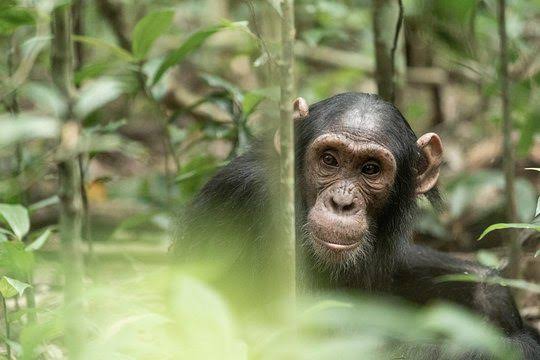
Around 1,500 chimpanzees live within the park, along with 12 other primate species. Several habituated chimpanzee communities make sightings highly reliable, which is why Kibale has earned the title “primate capital of the world”.
The forest is just as rewarding for its other wildlife. Red colobus, black-and-white colobus, L’Hoest’s monkeys, grey-cheeked mangabeys and blue monkeys move through the canopy, while forest elephants, duikers and bushpigs keep to the shadows below. More than 370 bird species have been recorded, including the green-breasted pitta and the great blue turaco. Most visitors come for the morning or afternoon chimpanzee trek from Kanyanchu, which includes one hour with the chimps once they are found. For a deeper encounter, the full-day Chimpanzee Habituation Experience lets you follow a community from the time they leave their nests until they build new ones at dusk. Nearby, the community-run Bigodi Wetland Sanctuary offers excellent birding and monkey viewing on a guided walk through papyrus swamp.
Kibale is about 5 to 6 hours’ drive from Kampala and links easily with Queen Elizabeth National Park, about 2 to 3 hours to the south, and with gorilla trekking in Bwindi. Lodges range from simple forest bandas to luxury cottages overlooking the crater lakes of the Ndali-Kasenda area, one of Uganda’s most scenic corners. A chimpanzee tracking permit costs US$250 per person. Booking ahead is recommended in the busy months of June to September and December to February.
Where is Kibale National Park?
Kibale is located in western Uganda near Fort Portal, generally around five to six hours by road from Kampala. The park protects roughly 795 square kilometres of forest and other habitats. It pairs naturally with Queen Elizabeth National Park, while the nearby Bigodi Wetland offers a community-led experience outside the park boundary.
What to see
Chimpanzees
Kibale is one of Uganda’s leading chimpanzee-tracking destinations. Watching a community groom, feed, call and move through the canopy offers a vivid glimpse of primate behaviour.
Other forest primates
Red colobus, black-and-white colobus, red-tailed monkeys and L’Hoest’s monkeys are among the primates visitors may encounter.
Bigodi Wetland
This nearby community-managed wetland is especially appealing for birdwatching, gentle walks and locally guided cultural experiences.
Experiences worth making time for
Chimpanzee trekking
An authorised ranger leads visitors into the forest to locate habituated chimpanzees. Standard treks generally allow up to one hour of observation once the animals are found; the search itself can take longer.
Habituation experience
A separate, longer chimpanzee habituation activity is available under applicable park arrangements and is popular with keen wildlife enthusiasts.
Forest walks and local experiences
Guided nature walks reveal plants, birds and smaller creatures, while Bigodi visits can include wetland walks and community initiatives.
When is the best time to visit?
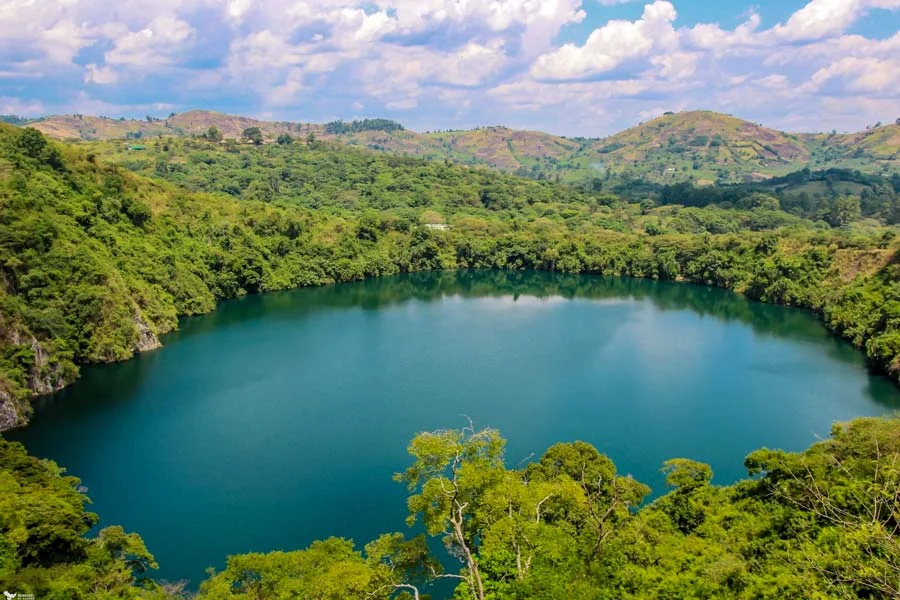
Crater lake
June to September and December to February often bring more comfortable walking conditions, but chimpanzee tracking runs throughout the year. Rain can make forest paths slippery, and wildlife encounters are never guaranteed. Two or three days provides a pleasant balance of chimpanzee tracking and local exploration.
Questions travelers often ask
Can I see mountain gorillas in Kibale?
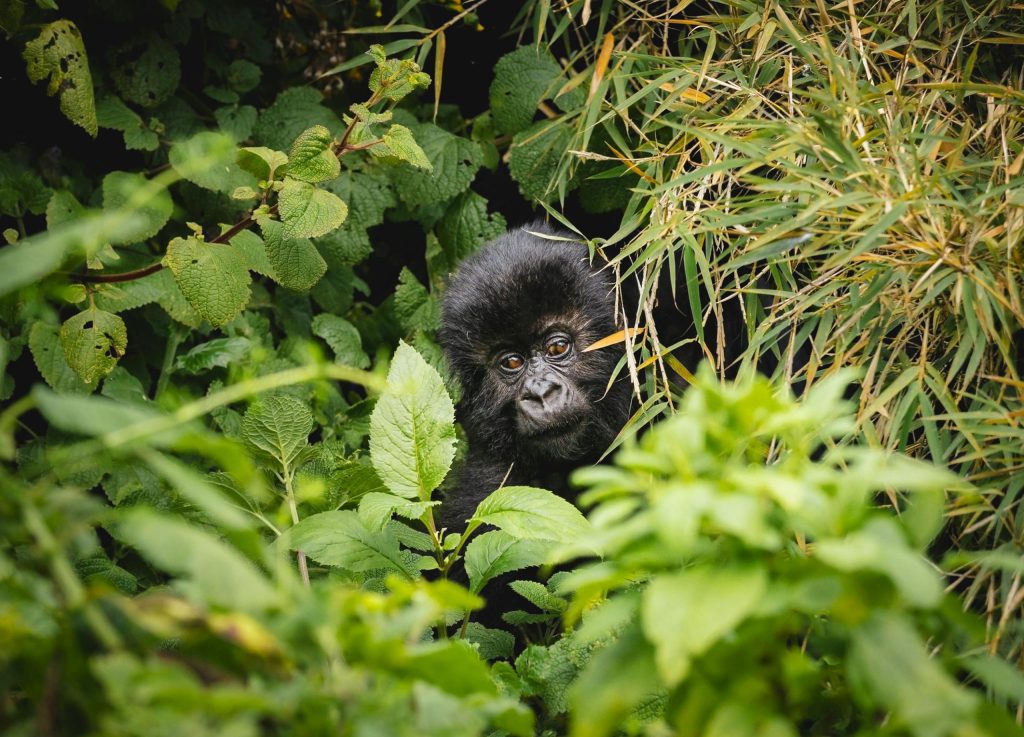
No. Uganda’s mountain gorilla trekking takes place in Bwindi national park and Mgahinga.
Is Kibale suitable for birdwatchers?
Yes. The forest and nearby Bigodi Wetland offer rewarding birding opportunities.
Make the journey your own
Whether you are planning a short escape or weaving this park into a longer Uganda itinerary, Entale African Safaris can help shape the experience around your interests, preferred pace and travel dates. The best journeys leave room for unexpected moments as well as the highlights you came to see.


 Uganda