Volcanoes National Park Rwanda
Volcanoes National Park covers about 160 square kilometres of bamboo forest, alpine meadows and misty mountain slopes in north-western Rwanda. It protects the Rwandan side of the Virunga Massif, a chain of volcanoes it shares with Uganda’s Mgahinga Gorilla National Park and the Democratic Republic of Congo’s Virunga National Park.
Five of the eight Virunga volcanoes rise within or along its borders: Karisimbi, the highest at 4,507 metres, Bisoke, Muhabura, Gahinga and Sabyinyo. The park was first protected in 1925 as part of Albert National Park, Africa’s first national park. It later became famous through Dian Fossey, whose research on these slopes inspired Gorillas in the Mist.
Today, Volcanoes is one of the best places in the world to see mountain gorillas. Small groups of visitors trek to habituated gorilla families with expert rangers. Treks are often shorter and less steep than in Bwindi national park, because the route usually starts with a walk through farmland before entering the bamboo and hagenia forest. The park is also the stronghold of the endangered golden monkey, whose bright orange back stands out against the green bamboo. Other activities include hiking to Dian Fossey’s grave at the old Karisoke research site, climbing Mount Bisoke to its crater lake, a two-day ascent of Karisimbi, nature walks to the Musanze caves, and cultural visits to communities around Kinigi.
The park headquarters at Kinigi is only 2.5 to 3 hours by road from Kigali, which makes Volcanoes one of the most accessible gorilla destinations in Africa. Lodges range from comfortable mid-range options to some of the finest luxury retreats on the continent. A Rwanda gorilla permit costs US$1,500 per person. That is more than in Uganda, but many travellers find it worthwhile for the short transfer, well-run treks and the beauty of the Virunga landscape.
Where is Volcanoes National Park located?
Volcanoes National Park lies in northwestern Rwanda, close to Musanze and the borders with Uganda and the Democratic Republic of Congo. The park protects the Rwandan section of the Virunga volcanic mountains, including slopes of Karisimbi, Bisoke, Sabyinyo, Gahinga and Muhabura. Musanze is the principal gateway, with most visitors driving from Kigali in roughly two to three hours, depending on traffic and their lodge location.
The journey is part of the experience: terraced hillsides, small towns and cultivated valleys gradually give way to dramatic mountain silhouettes. Travelers often stay in or around Musanze or Kinigi, near the park headquarters where many guided activities begin.
Top attractions and what to see
Mountain gorillas
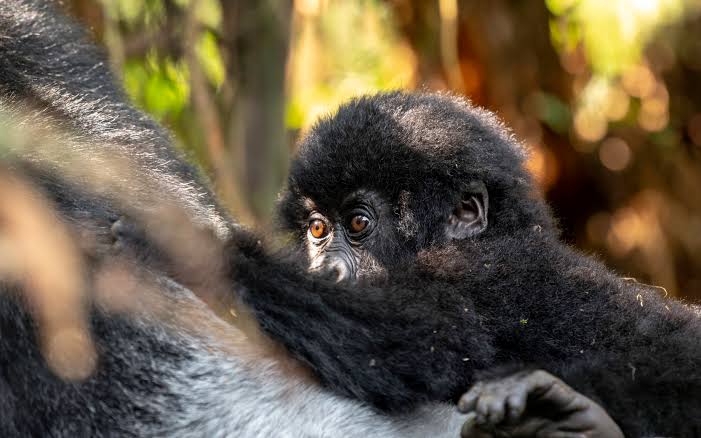
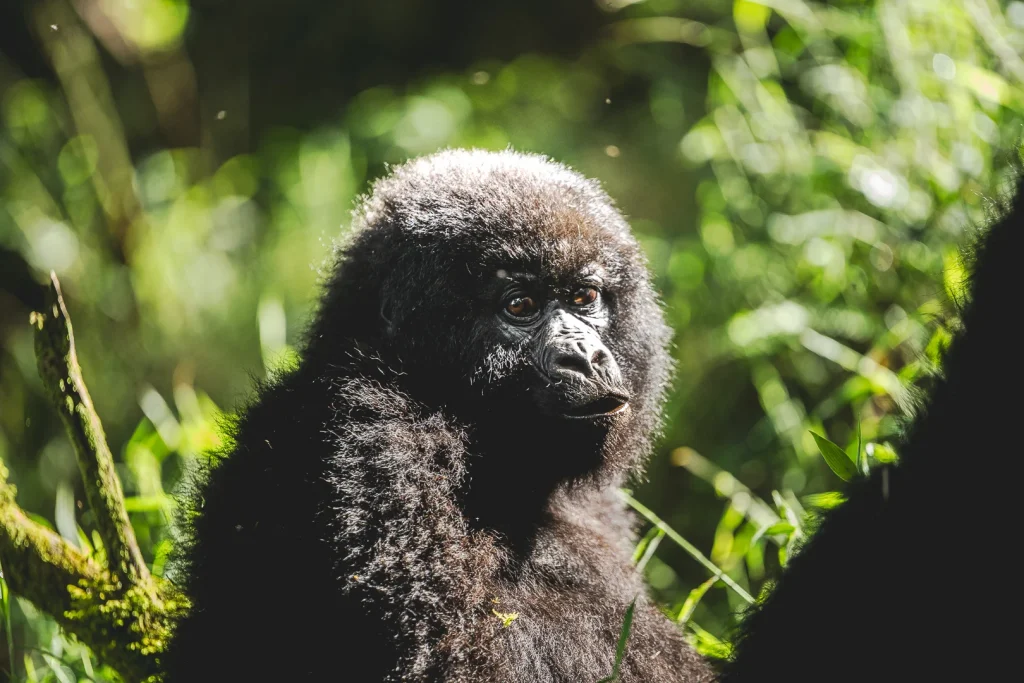
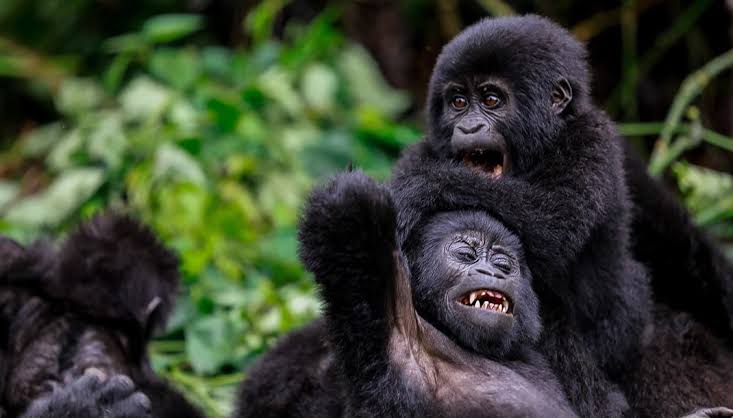
The park’s most celebrated residents are its mountain gorillas, living in family groups led by mature silverbacks. Watching a young gorilla play or a mother carefully tend to her infant can be more moving than any photograph suggests. Treks are managed by the park authorities, with strict viewing rules designed to protect both visitors and gorillas.

Group with most babies in the Volcanoes
Golden monkeys and bamboo forest
Golden monkeys bring a completely different energy to the forest. They move quickly through bamboo stands, feeding and leaping between stems, and their expressive faces make them a delight for patient photographers. The bamboo habitat itself is beautiful, especially when morning light filters through the trees.
Volcanic peaks and crater scenery
Mount Bisoke is known for its crater lake, while Mount Karisimbi attracts experienced hikers looking for a demanding mountain adventure. Even without attempting a summit, the volcanoes form a memorable backdrop to village walks, lodge stays and scenic drives.
Conservation and local heritage
The region has an important conservation history associated with mountain gorilla research. Visitors can also explore locally led cultural experiences in the Musanze area, provided these are organised respectfully and offer genuine benefits to participating communities.
Best activities and experiences
Gorilla trekking
The day usually starts early with a briefing before visitors are assigned to a gorilla group and guided into the forest. The walk can be short or physically demanding depending on where the gorillas have moved. Once the group is located, standard visits generally allow one hour of observation. Permits are limited, so booking well ahead is sensible, particularly for popular travel dates.
Golden monkey tracking
A guided golden monkey trek is an excellent second primate activity. It is often less strenuous than gorilla trekking, although trails can still be muddy and the animals are constantly on the move.
Volcano hiking
Travelers with a good level of fitness can consider a guided hike on Mount Bisoke or a more demanding expedition on Karisimbi. Conditions change quickly at altitude, and the right footwear, layers and a realistic assessment of fitness matter.
Culture, scenery and relaxed exploration
A well-paced stay can include a community-guided experience, scenic walks around Musanze and time simply enjoying views of the volcanoes from a lodge terrace. This is especially appealing for couples, photographers and visitors who prefer not to rush from one activity to another.

iby iwacu culture
Best time to visit
For most visitors, June to September and December to February offer relatively drier trekking conditions. Paths can still be wet, however, because the mountains create their own weather and rain is possible in every month. The greener months, especially March to May and October to November, bring lush scenery and moody cloud formations but can make trails slippery.
Gorilla trekking operates year-round. Rather than choosing dates on weather alone, consider permit availability, your tolerance for muddy hiking and whether you also want to climb a volcano. A two- or three-night stay usually allows a comfortable combination of gorillas, golden monkeys and time to enjoy the area.
Frequently asked questions
Is Volcanoes National Park worth visiting if I do not trek gorillas?
Yes. Golden monkey tracking, volcano hikes, mountain scenery and cultural activities can make the region rewarding even without a gorilla permit.
How far is Volcanoes National Park from Kigali?
The Musanze/Kinigi area is commonly reached in about two to three hours by road, though the exact journey depends on your starting point and accommodation.
How difficult is gorilla trekking in Rwanda?
Difficulty varies with the assigned gorilla family, terrain and weather. Some walks are manageable, while others involve steep, muddy slopes and several hours on foot.
How many days should I spend in Volcanoes National Park?
Two to three nights is a good starting point for travelers who want to trek gorillas, track golden monkeys and enjoy the scenery without rushing.
Plan your Rwanda journey
The real luxury of Volcanoes National Park is not only the chance to see gorillas, but the opportunity to be fully present in a landscape that feels unlike anywhere else. Entale African Safaris can help shape a Rwanda journey around your interests, whether that means a carefully paced gorilla trek, a photography-focused visit or a wider itinerary combining the country’s forests, lakes and savannahs.


 Rwanda