
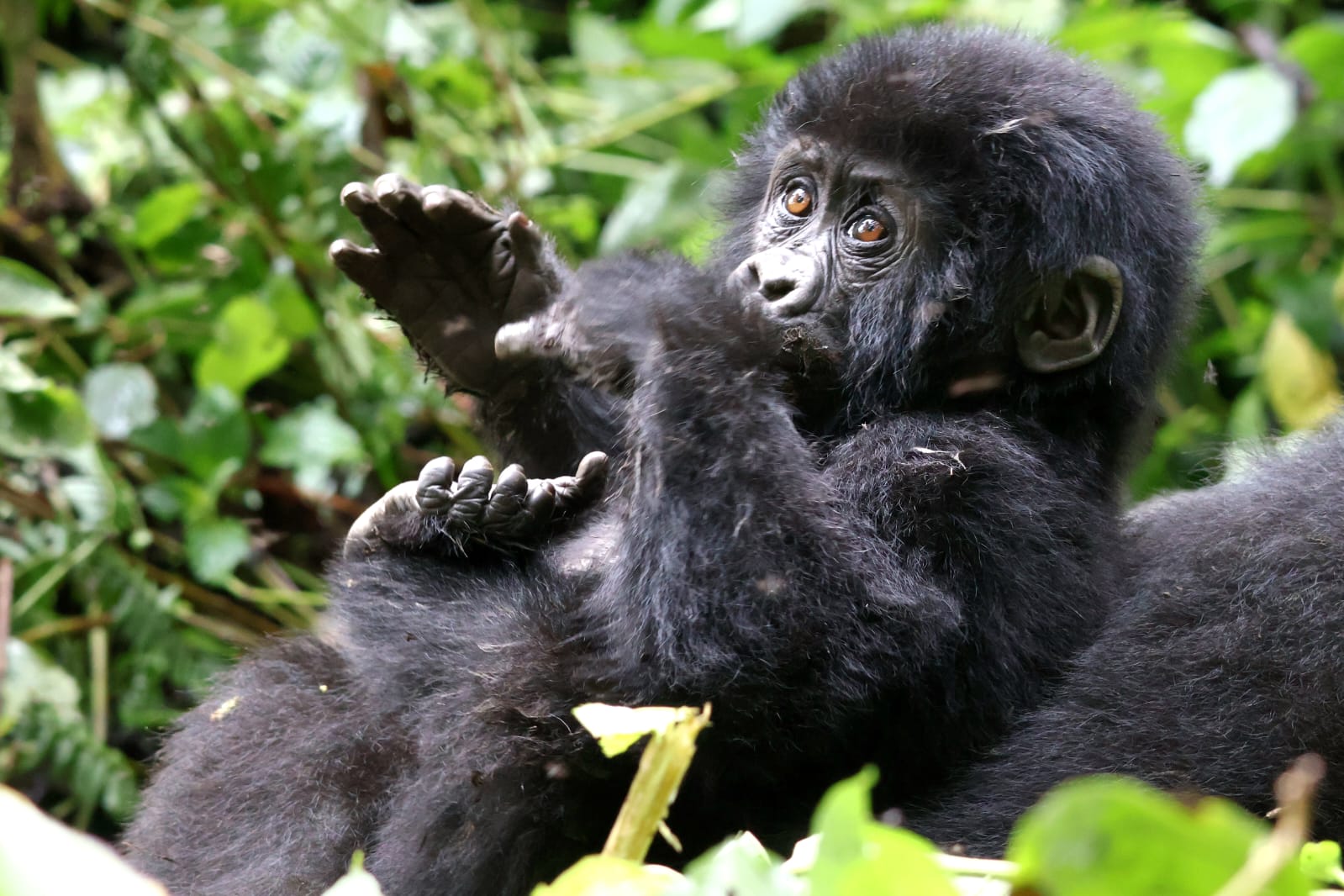
Uganda is one of Africa’s best places to see gorillas in the wild—up close, peacefully, and in a way that feels deeply meaningful.
Whether you choose gorilla trekking or the more immersive gorilla habituation experience, you’ll come away with memories you can’t replace: misty forest paths, excited ranger-led walks, and the unforgettable moment a silverback steps into view.
This blog write-up breaks down what to expect, why it matters, and how to plan so you can enjoy the experience safely and responsibly.
Why Uganda for Gorilla Encounters?
Uganda is home to several gorilla populations, with the most famous opportunity located around Bwindi Impenetrable National Park and Mgahinga (depending on permits and season). Bwindi, with its dense greenery and misty hills, is especially well known for sheltering mountain gorillas.
What makes Uganda special is the blend of:
Real wilderness trekking (not a zoo-style encounter)
Guided expert tracking by trained rangers
Time with gorillas within strict conservation rules
1) Gorilla Trekking Experience: The Classic Encounter
What Gorilla Trekking Feels Like
Gorilla trekking begins early with a briefing at the park headquarters. Rangers explain safety guidelines, gorilla behavior to watch for, and what to do if gorillas move.
Then you head into the forest—some groups find gorillas quickly, while others involve a longer, deeper trek. The journey is part of the adventure: you’ll hear birds and insects, feel the cool dampness of the forest, and follow ranger cues as the gorillas’ presence becomes more real.
How Close Are You?
Once you reach the gorilla group, you’ll have a limited amount of time to observe – quietly and respectfully. Visitors are encouraged to:
Keep voices low
Avoid sudden movements
Maintain the required distance
Follow your guide’s instructions
Who Will Enjoy It?
Gorilla trekking is ideal if you want:
A once-in-a-lifetime wildlife encounter
A trip that fits into most Uganda safari schedules
A clear start and finish within a single day
2) Gorilla Habituation Experience: For the Curious and Patient
If gorilla trekking is the “classic encounter,” habituation is the deeper story—because it involves gorillas that are still becoming comfortable with humans.
What Makes Habituation Different?
Habituation is designed to help conservationists gradually acclimate gorilla groups to human presence so that future trekking tourism can happen safely and responsibly. Unlike standard trekking, habituation focuses on observing gorillas over a longer period as they adapt to researchers and guides.
What to Expect
You’ll start with a briefing (similar safety rules)
You’ll trek through the forest, sometimes tracking sign and movement
You’ll spend more time with the gorillas as they become accustomed to the group around them
The forest may feel even more alive—because you’re watching behavior that’s still “learning” how the human world works
The Emotional Impact
Habituation can feel surprisingly profound. You notice smaller details:
How gorillas communicate
How they forage, rest, or move as a group
How their responses evolve as the day continues
It’s not just a sighting—it feels like witnessing a living relationship being
formed, carefully and respectfully, over time.
Which One Should You Choose?
Choose Gorilla Trekking if:
You want the best-known gorilla encounter
You prefer a more time-efficient option
You’re traveling with a tighter schedule
Choose Gorilla Habituation if:
You want a more immersive, conservation-focused experience
You don’t mind longer trekking time and a slower pace
You value learning more about gorilla behavior and conservation science
Practical Tips for Your Gorilla Day (So You’re Ready)
Here are the most important things to plan for:
1) Wear the Right Clothing
Uganda’s rainforest trekking can be muddy and humid.
Long sleeves and long trousers (protect from vegetation)
Sturdy hiking shoes/boots
A light rain jacket (rain can come without warning)
A hat and sunglasses if the sky clears
2) Pack a Small, Practical Bag
Consider bringing:
Water
Light snacks (if allowed by your
itinerary/guide)
A rain cover for your phone/camera
Insect repellent
3) Be Patient and Flexible
Sometimes gorillas are closer, and sometimes they are farther. Your guide will choose the best route to track them safely. The goal is always respectful, not rushed.
4) Follow Ranger Instructions
Your safety and the gorillas’ wellbeing depend on strict rules:
Maintain distance
Keep calm
Avoid flash photography (if discouraged by guides)
Conservation Note: Why Your Visit Matters
Gorilla tourism in Uganda—whether trekking or habituation—supports conservation efforts that protect habitats and fund ranger activities. When visitors follow the rules and behave responsibly, the whole experience becomes a powerful partnership between people and wildlife.
Final Thoughts
Whether you choose gorilla trekking or the more immersive gorilla habituation experience, Uganda will deliver an experience that stays with you.
Expect:
A real wilderness journey
Expert guidance and safety protocols
A quiet, powerful encounter with mountain gorillas
If you’re dreaming of an Africa trip that feels authentic, emotional, and unforgettable, Uganda’s gorilla experiences belong at the top of your list.