
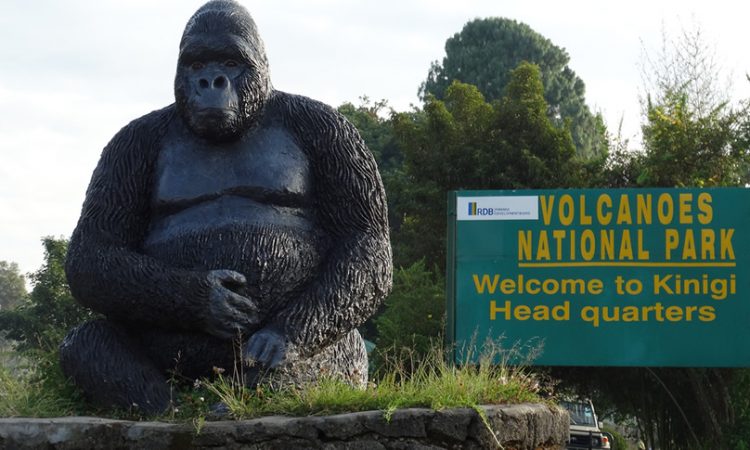
Gorilla trekking rules require you to keep your distance, avoid touching or feeding gorillas, and follow your ranger’s instructions. These precautions protect both you and the mountain gorillas you have travelled to see.
However, your first trek may raise some unexpected questions. What happens when a baby gorilla approaches? Do gorillas understand their guides? And what should you do when nature calls deep in the forest?
Whether you explore Bwindi, Mgahinga, or Volcanoes National Park, preparation helps you enjoy the experience. Below, we answer five common questions about gorilla trekking in Uganda and Rwanda.
1. Can I Pet a Baby Gorilla If It Walks Up to Me?
No. Never touch, stroke, or pick up a wild gorilla, even if a baby approaches you.
Baby gorillas can be both curious and playful. A young gorilla may approach visitors while exploring its surroundings. Curiosity, however, does not constitute an invitation to touch.
The child remains a member of a protective family. Reaching for it may disturb nearby adults, resulting in an unsafe situation. Physical contact also increases the risk of infection transmission between humans and gorillas.
What to Do When a Baby Gorilla Approaches
Stay calm and keep your hands to yourself. Avoid sudden movements, excited shouting, or reaching for a closer photograph.
Listen to your ranger, who will explain whether to remain still or reposition slowly. Never step toward the young animal or block its path.
Uganda’s published guidance specifies a distance of 10 meters. Rwanda’s official booking guidance states seven meters. Always follow the distance requirements explained during your park briefing.
Even when a gorilla moves closer, you must not encourage contact. Watching a youngster tumble, climb, or return to its mother is rewarding without touching it.
Why Guides Sometimes Make Gentle Sounds
Experienced guides may use familiar vocal signals while observing the gorillas’ reactions. These sounds can help signal a calm presence, but they do not guarantee a particular response.
Habituated gorillas have gradually become accustomed to carefully managed human visits. Nevertheless, they remain wild animals with their own behavior and boundaries.
Keep your voice low and avoid copying gorilla calls. Instead, ask your guide to explain the sounds you hear.
Understanding these interactions adds another dimension to your trek. A quiet forest encounter becomes an opportunity to observe how gorilla families communicate.
3. What Happens If I Need the Bathroom During Gorilla Trekking?
Tell your ranger discreetly. They will explain how to take a safe bathroom break and adhere to the park’s sanitation rules.
Gorilla trekking can require several hours of walking. The duration is determined by the animals’ location, terrain, and your group’s pace. As a result, needing a bathroom break is completely understandable.
Before you leave, make sure to use the available toilet facilities. However, don’t expect toilets along the forest trail or near the gorilla family.
How to Handle a Forest Bathroom Break
Inform your ranger before leaving the trail. Never wander away from your group to find privacy alone.
Your ranger will identify an appropriate location and explain what to do. This helps protect water sources, wildlife, and other visitors.
In Uganda, published gorilla trekking rules require human feces to be buried at least 30 centimeters deep. Follow your ranger’s instructions for the particular park you are visiting.
What to Carry for Personal Hygiene
Pack a few simple essentials:
- A small supply of toilet tissue.
- Hand sanitizer.
- A sealable bag for used hygiene items.
- Any menstrual supplies you may need.
Never leave wipes, sanitary products, or plastic in the forest. Ask your ranger how to handle toilet paper rather than assuming everything can be buried.
Also, keep drinking enough water while walking. Avoiding hydration to prevent bathroom breaks can make a demanding trek less comfortable.
4. Can I Feed a Gorilla a Banana If It Looks Hungry?
No. Feeding wild gorillas is prohibited, including the distribution of bananas, other fruits, and packaged snacks.
Watching a gorilla eat does not imply that it requires food from visitors. Mountain gorillas forage naturally, consuming vegetation and other foods found in their environment.
Offering food may encourage wildlife to associate humans with snacks. Furthermore, it promotes unnecessary contact and contamination.
Responsible gorilla trekking allows the animals to maintain their normal routines. Your role is to observe their feeding habits without interfering.
Can You Carry Snacks During Gorilla Trekking?
You can carry suitable snacks for the walking portion where permitted. However, keep food packed away during the gorilla encounter.
Eat and drink only when your guide allows, and do so away from the animals. Never hold out food to attract a gorilla or improve a photograph.
Keep all wrappers, fruit peels, and leftovers inside your bag. Even biodegradable food waste should leave the forest with you.
Following these gorilla trekking rules helps preserve natural behavior. It also keeps future encounters focused on wildlife observation rather than food-seeking interactions.
5. What If a Silverback Stares at Me, Charges, or I Need to Sneeze?
Avoid making prolonged direct eye contact, stay calm, and follow your ranger’s instructions. If you cough or sneeze, move away and cover your mouth and nose.
A silverback looking at you differs from displaying or charging. Let your ranger interpret the situation rather than making assumptions.
If a silverback looks right at you
Avoid staring into its eyes. Keep your movements slow and avoid gesturing at the animal.
Maintain your group’s focus and pay close attention. Your ranger will evaluate the silverback’s behavior along with the rest of the family.
A calm response helps to avoid unnecessary disturbance. You don’t have to get its attention to enjoy the encounter.
If a silverback displays or charges
Do not run, scream, or attempt to challenge the gorilla. Follow your ranger’s immediate directions.
Depending on the situation, you may be told to lower your body, avert your gaze, or remain still. Do not approach the animal or attempt to manage the encounter yourself.
Chest beating is a form of gorilla communication. It does not automatically mean an attack will follow. However, never assume every display or charge is harmless.
If You Need to Cough or Sneeze
Turn away from the gorillas and cover your mouth and nose with a tissue or your elbow. Follow any face-covering requirements explained during the briefing.
These precautions matter because gorillas can catch some human infections. Tell your operator and park staff if you develop symptoms before trekking.
Visitors with a cold, flu, or another contagious illness should not visit the gorillas. Report symptoms honestly so staff can explain the appropriate next steps.
Essential Gorilla Trekking Rules to Remember
Before entering the forest, attend the complete ranger briefing. This is your opportunity to ask questions and understand the day’s requirements.
During your trek:
- Maintain the distance instructed by your ranger.
- Never touch or feed gorillas.
- Keep your voice low.
- Avoid sudden movements and prolonged direct eye contact.
- Disable your camera flash.
- Eat only where your guide permits.
- Stay with your group.
- Carry all rubbish out of the forest.
These habits help create a respectful encounter. They also allow you to concentrate on watching gorillas feed, groom, rest, and interact.
Plan Your Gorilla Trek with Entale African Safaris
We can help you plan a gorilla trek in Uganda or Rwanda, including permits, lodging, and transportation. We can also assist you in selecting a route that is appropriate for your interests and availability.
Whether you prefer Bwindi, Mgahinga, or Volcanoes National Park, careful planning makes the trip more enjoyable. Careful planning makes the trip more enjoyable, whether you prefer Bwindi, Mgahinga, or Volcanoes National Park. Allow time for the hike and a relaxing evening afterward. Be sure to set aside time for both the hike and a relaxing evening afterward.
Share your travel dates, group size, and preferred destination with Entale African Safaris to get a personalized gorilla safari quote.
Conclusion
Gorilla trekking rules protect wildlife while helping you enjoy a respectful forest encounter. Never touch or feed gorillas, ask your ranger about bathroom breaks, and follow instructions when animals approach.
With thorough preparation, you can begin your trek feeling informed and confident. Give the gorillas space, listen to your ranger, and enjoy observing their remarkable family life. Contact us at info@entaleafricansafaris.com to plan a thrilling gorilla adventure today.