
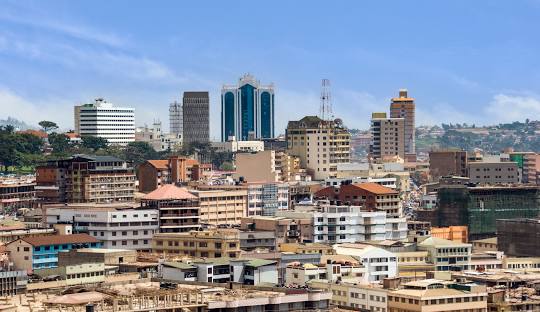
Uganda’s capital and largest city, Kampala, serves as the political, economic, and cultural center of this landlocked country in East Africa. Kampala, which is close to Lake Victoria and Uganda’s southern border, is significant to the history and growth of the nation.
The word “Impalas,” which refers to a species of antelope, is where the name “Kampala” comes from. These impalas used to roam and graze in the swampy area that is now Kampala. Old Kampala, referred to locally as “Akasozi Kempala” or “hill of the impalas” in Luganda, had the highest concentration of impalas. The king of Buganda and his soldiers hunted impalas in this region to obtain food.
When Captain Frederick Lugard, who would go on to become Lord Lugard, chose Kampala as the headquarters of the Imperial British East Africa Company in 1890, the city’s history officially began. Lugard built a fort on Old Kampala Hill, which served as the colonial government of Uganda’s administrative hub until its headquarters were relocated to Entebbe in 1905. Kampala, a municipality since 1949, was named the capital of independent Uganda in 1962. Today, Kampala is organized into sectors that separate parliamentary and commercial buildings, industry, and residential areas, reflecting its growth and modernization.
1. Location: Kampala is situated in the southern part of Uganda, approximately 40 kilometers (25 miles) from the shores of Lake Victoria. It is the country’s most populous city.
2. Geography: The city is built across a series of hills and valleys, which gives it a varied and scenic topography. Lake Victoria and the Entebbe Peninsula are to the south, providing access to water-based activities.
3. Economy: Kampala’s economy is diverse and includes finance, trade, industry, and services. The city is home to Uganda’s central bank and the Uganda Securities Exchange. It is also a hub for businesses and organizations operating in East Africa.
4. Culture: Kampala is a diverse city with many cultures, languages, and ethnic groups. Most residents are Baganda, but the city also hosts people from various regions of Uganda and expatriates from around the world. The city’s food, music, and festivals reflect this cultural diversity.
5. Attractions: Kampala offers a range of attractions and points of interest, including
- Kasubi Tombs: A UNESCO World Heritage Site, these tombs are the burial grounds of the kings of Buganda and offer insights into the history and culture of the Baganda people.
- Namugongo Martyrs’ Shrine: This important religious site commemorates the Christian martyrs who were executed for their faith in the late 19th century.
- Kampala Serena Hotel: A luxurious hotel offering accommodation, dining, and entertainment options.
- Uganda Museum: It houses a collection of artifacts that showcase Uganda’s cultural and historical heritage.
- Owino Market and Nakasero Market: Vibrant markets where you can shop for local products, crafts, and food.
6. Transportation: Kampala is well-connected by road, and it serves as a transportation hub for Uganda. The city has a mix of modern and traditional modes of transportation, including matatus (minibuses), boda-bodas (motorcycle taxis), and public buses.
7. Education: Kampala is home to several universities, including Makerere University, one of the oldest and most prestigious in East Africa.
8. Challenges: Like many rapidly growing African cities, Kampala faces challenges related to urbanization, including traffic congestion, inadequate infrastructure, and waste management. Efforts are ongoing to address these issues and improve the quality of life in the city.
Kampala is a dynamic and bustling city with a rich cultural heritage, and it plays a significant role in Uganda’s development and international relations as the country’s capital. Visitors to Kampala can explore its historical and cultural sites, enjoy its diverse cuisine, and experience the vibrant energy of this East African metropolis.
How many hills make up Kampala?
Kampala, the capital city of Uganda, is often referred to as the “City of Seven Hills.” These seven prominent hills historically played a significant role in the city’s development and geography. While Kampala has expanded beyond these seven hills, they remain integral to the city’s identity. The seven hills of Kampala are:
These hills were among those that initially made up Kampala.
- Kibuli Hill: This hill is known for the Kibuli Mosque, one of the prominent mosques in Kampala. It offers panoramic views of the city.
- Namirembe Hill: The Namirembe Anglican Cathedral, also known as St. Paul’s Cathedral, is located on this hill. It is one of the oldest cathedrals in Uganda and provides a beautiful view of the city.
- Old Kampala Hill: This hill is home to the historic Old Kampala Mosque (Gaddafi Mosque), which is one of the largest mosques in East Africa. It was formerly known as the Uganda National Mosque.
- Makerere Hill: This hill is home to Makerere University, one of Africa’s most prestigious universities. The university has a rich history and plays a significant role in education and research in the region.
- Kasubi Hill: The Kasubi Tombs, a UNESCO World Heritage Site and the burial grounds of Buganda kings, sit on this hill. The tombs offer insight into the cultural and historical heritage of the Baganda people.
- Nsambya Hill: Nsambya Hospital, a well-known medical facility, sits on this hill. It also hosts various religious institutions.
- Rubaga Hill: Rubaga Cathedral, also known as St. Mary’s Cathedral, is located on this hill. It is the seat of the Roman Catholic Archdiocese of Kampala.
While these seven hills are notable, Kampala has expanded far beyond its original boundaries, and the city now encompasses many more neighborhoods and areas that extend beyond these hills. However, the “City of Seven Hills” remains a symbolic representation of Kampala’s history and geography. Currently, Kampala is said to have over 27 hills.