
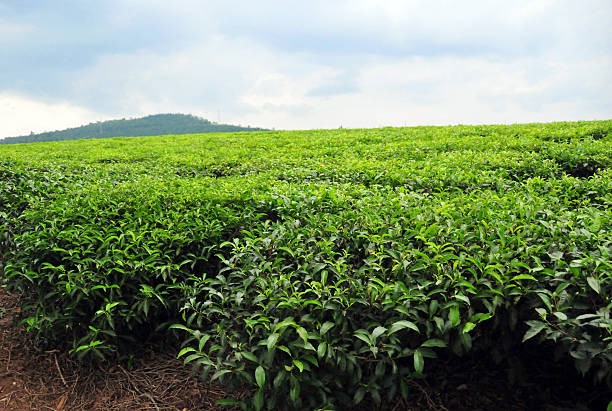
A tour of a tea plantation in Rwanda near Nyungwe National Park lets you walk through rolling tea fields, discover how tea is grown and harvested, and taste Rwandan tea close to where it originates. Yes, travelers can visit tea-growing areas near Nyungwe, with Gisakura and Gisovu among the notable locations for discovering Rwanda’s tea culture.
Most travelers come to Nyungwe dreaming about chimpanzee trekking, forest hikes, birdwatching, and the famous canopy walkway. However, just beyond the rainforest lies another experience worth slowing down for. Beautiful tea plantations stretch across Rwanda’s rolling hills, creating a striking contrast with the dense forest.
A tea experience introduces you to a different side of Rwanda. You can follow the fascinating journey from a small green leaf to the warm cup in your hands. More importantly, you discover the people, landscapes, skills, and traditions behind one of Rwanda’s important agricultural products.
Can You Visit a Tea Plantation Near Nyungwe?
Yes, tea plantation experiences can be incorporated into a visit to the Nyungwe region. Gisakura and Gisovu are two locations associated with Rwanda’s tea-growing landscape.
The experience can go beyond simply standing beside a plantation and taking photographs.
Depending on the experience arranged, you may learn about tea cultivation, harvesting, processing, and tasting.
This makes a Nyungwe tea plantation tour both scenic and educational.
Instead of simply drinking Rwandan tea with breakfast, you begin understanding the journey behind every cup.
Why Is Tea Grown Around Nyungwe?
Rwanda’s high-altitude landscapes and climate create favorable conditions for growing tea.
The areas surrounding Nyungwe are particularly beautiful.
Rows of carefully cultivated tea bushes stretch across rolling hills before meeting the natural greenery of the rainforest.
That contrast is part of what makes this region so photogenic.
On one side, you have cultivated agricultural landscapes shaped by human knowledge and labor.
On the other, you have the remarkable natural ecosystem of Nyungwe National Park.
For photographers, nature lovers, and curious travelers, the meeting point between tea country and rainforest creates an unforgettable setting.
Experience a Gisakura Tea Tour
If you are searching for a tea plantation near Nyungwe, Gisakura is one of the names worth knowing.
Gisakura lies close to the western side of Nyungwe National Park, making the surrounding tea-growing landscape convenient to combine with other Nyungwe experiences.
The scenery immediately catches your attention.
Imagine standing between endless rows of vivid green tea bushes while the forest-covered hills rise nearby.
But the real experience begins when you look beyond the scenery.
A guided tea experience can introduce you to how the plants are cultivated and how the correct leaves are selected during harvesting.
Depending on your arranged experience, you may even have an opportunity to learn about tea picking.
Suddenly, the cup of tea waiting for you later has an entirely different story.
Discover the Tea Landscapes Around Gisovu
Gisovu offers another opportunity to discover Rwanda’s beautiful tea country around the wider Nyungwe region.
Here, carefully arranged rows of tea create striking patterns across the hills. It is particularly attractive for travelers who enjoy photography and slower travel.
You do not always need another high-energy activity.
Sometimes, simply walking through beautiful countryside, learning something new, and enjoying the landscape becomes one of the most memorable moments of a journey.
A tea plantation tour in Rwanda provides exactly that change of pace.
What Happens During a Rwanda Tea Plantation Tour?
The exact activities depend on the tea experience arranged for your visit.
However, your journey may introduce you to several stages between the tea leaf and the teacup.
You may experience:
- Walking through scenic tea plantations
- Learning how tea plants are cultivated
- Discovering which leaves are selected for harvesting
- Learning traditional tea-picking techniques
- Understanding how harvested leaves are processed
- Meeting people connected to tea production
- Tasting locally produced Rwandan tea
- Photographing Rwanda’s beautiful tea-covered hills
This educational element makes the experience different from simply stopping beside a plantation for photographs.
You leave knowing more about what you are seeing.
Try Tea Picking Yourself
Tea picking looks surprisingly simple when you watch experienced hands moving through the plantation.
Then you try it. Suddenly, questions begin.
Which leaves should you choose?
How can you recognize the best ones?
How quickly can an experienced tea picker work?
What happens to the leaves after harvesting?
Learning even the basics can give you a new appreciation for the knowledge and work behind tea production.
It turns agriculture into an interactive travel experience.
You are no longer simply observing. But you are participating.
Follow the Journey From Tea Leaf to Teacup
Harvesting is only the beginning.
One of the most fascinating parts of a Rwanda tea experience is discovering what happens after fresh leaves leave the plantation.
The harvested leaves must go through different processing stages before becoming the tea you recognize.
Learning about this transformation makes the final tasting more meaningful.
You have seen where the tea grows.
You understand how the leaves are selected.
You have discovered more about the people and processes behind production.
Then comes the moment you have been waiting for.
You taste the tea.
That completes the journey from tea leaf to teacup.
Slow Down With a Rwandan Tea Tasting
After exploring the plantation, a tea tasting gives you an opportunity to slow down.
Notice the aroma.
Taste the flavor.
Ask about the tea you are drinking.
Think about the landscape you have just explored.
The experience is simple, yet meaningful.
For passionate tea lovers, it may become an unexpected highlight of visiting Rwanda.
For other travelers, it transforms an everyday drink into a cultural discovery.
Combine a Tea Tour With Nyungwe’s Famous Experiences
One major advantage of taking a tea tour near Nyungwe is that it can complement the area’s famous forest activities.
You do not need to choose between nature and culture.
You can experience both.
Your Nyungwe journey could include:
- Chimpanzee trekking
- Nyungwe canopy walkway
- Forest hiking
- Birdwatching
- Waterfall trails
- Gisakura tea experiences
- Community encounters
- Traditional food experiences
This creates wonderful variety within your itinerary.
One morning, you could be searching for chimpanzees beneath the rainforest canopy.
Later, you could find yourself surrounded by peaceful tea-covered hills.
These contrasts make a Rwanda safari more interesting.
Explore Community Experiences Around Nyungwe
Tea does not have to be your only cultural experience around Nyungwe.
The communities surrounding the forest provide another opportunity to discover Rwanda beyond its wildlife.
Depending on the experiences included in your itinerary, you can explore local craftsmanship, traditional food, pottery, cultural performances, and community life.
Areas such as Banda and Gisakura can add this human element to your Nyungwe journey.
Instead of entering the national park, completing your activity, and returning directly to your lodge, you begin discovering the wider destination.
That creates a stronger connection with the places you visit.
Why Add a Tea Plantation Experience to Your Nyungwe Safari?
A tea plantation tour offers something completely different from chimpanzee trekking or walking above the forest canopy.
It is slower.
It is educational.
It is interactive.
Most importantly, it introduces you to the human landscape surrounding Nyungwe.
A Rwanda tea plantation tour may particularly appeal to travelers interested in:
- Local food and drinks
- Agriculture
- Photography
- Cultural travel
- Community experiences
- Learning how everyday products are produced
- Slow and experiential travel
It can also provide a welcome break between physically demanding forest adventures.
Is a Nyungwe Tea Tour Suitable for Families?
A tea plantation experience can work well for families seeking something educational and less physically demanding than some forest activities.
Children can discover where tea comes from instead of only seeing it inside a packet or cup.
Adults can learn about cultivation, harvesting, processing, and Rwanda’s wider tea culture.
However, the exact walking conditions and activities can vary.
It is therefore helpful to arrange the experience according to the ages and interests of everyone traveling.
When Should You Take a Nyungwe Tea Tour?
A tea experience can fit naturally around your other Nyungwe activities.
For example, you could dedicate one day to chimpanzee trekking and use another for the canopy walkway, tea plantations, and cultural experiences.
Alternatively, the tea experience can provide a relaxing change of pace between more active forest adventures.
Your schedule should consider your chimpanzee permits, accommodation, driving times, and other activities.
Planning the experience in advance also makes it easier to integrate it naturally into your Rwanda safari.
Can You Combine Nyungwe Tea With Nyanza?
Yes, and this combination can create a particularly interesting cultural route through southern Rwanda.
Instead of traveling directly from Kigali to Nyungwe, you can include Nyanza along the way.
Your journey could look like this:
Kigali → Nyanza Royal Trail → King’s Palace → Nyungwe National Park → Chimpanzee Trekking → Tea Experience
This route introduces several different sides of Rwanda.
Kigali reveals the country’s contemporary urban identity.
Nyanza introduces royal history and heritage.
Nyungwe brings rainforest wildlife and adventure.
The tea plantations then connect you with Rwanda’s agricultural landscapes and local life.
It becomes much more than a simple journey between attractions.
Experience Nyungwe’s Tea Country With Entale African Safaris
At Entale African Safaris, we believe your Rwanda safari can reveal much more than the country’s most famous attractions.
We can design your Nyungwe journey around your personal interests.
If you love wildlife, we can combine your tea experience with chimpanzee trekking.
If you enjoy culture, your journey can include Nyanza, community encounters, traditional food, and craftsmanship.
If you prefer slower luxury travel, your itinerary can create more time for beautiful landscapes, tea tasting, photography, and relaxation.
For example, your journey could follow:
Kigali → Nyanza → Nyungwe → Gisakura Tea Experience → Lake Kivu
Instead of rushing through Rwanda, you can experience the country in layers along the way.
Frequently Asked Questions About Tea Plantations Near Nyungwe
Can tourists visit tea plantations near Nyungwe?
Yes. Travelers can include tea-growing areas such as Gisakura and Gisovu within a wider Nyungwe journey. Experiences can involve plantation visits, learning about tea cultivation and harvesting, and tea tasting.
Where can I experience tea near Nyungwe?
Gisakura is one of the best-known tea-growing areas close to Nyungwe. Gisovu is another important tea-growing destination within the wider region.
Can I pick tea during a Rwanda tea tour?
Some arranged tea experiences may allow travelers to learn about tea picking and experience aspects of harvesting. What is included depends on the particular visit arranged.
Can I combine a tea tour with chimpanzee trekking?
Yes. Tea experiences work particularly well alongside chimpanzee trekking, the Nyungwe canopy walkway, forest hikes, and community activities.
Is a tea plantation tour near Nyungwe worth it?
Yes, particularly if you enjoy culture, photography, agriculture, local experiences, or slow travel. It also provides a different perspective of the landscapes surrounding Nyungwe.
Should I arrange my tea experience before arriving?
Advance arrangements are advisable. This allows your tea experience to fit properly around chimpanzee permits, forest activities, accommodation, and transfers.
Conclusion
So, can you visit a tea plantation near Nyungwe? Yes. The tea-growing landscapes around Gisakura and Gisovu offer an opportunity to experience another side of Rwanda. From walking among green plantations and discovering how leaves are harvested to learning about processing and finally enjoying a cup of tea, a tour of a tea plantation in Rwanda turns something familiar into a memorable travel experience.
Better still, tea can become part of a much richer journey. Combine it with Nyungwe chimpanzee trekking, the canopy walkway, community experiences, Nyanza’s royal heritage, and Lake Kivu, and you begin experiencing Rwanda from several perspectives. With Entale African Safaris, your trip can go beyond simply seeing Rwanda’s famous attractions and instead connect you with the wildlife, landscapes, culture, and people that make each destination worth discovering. Talk to our safari expert at info@entaleafricansafaris.com for any queries.