
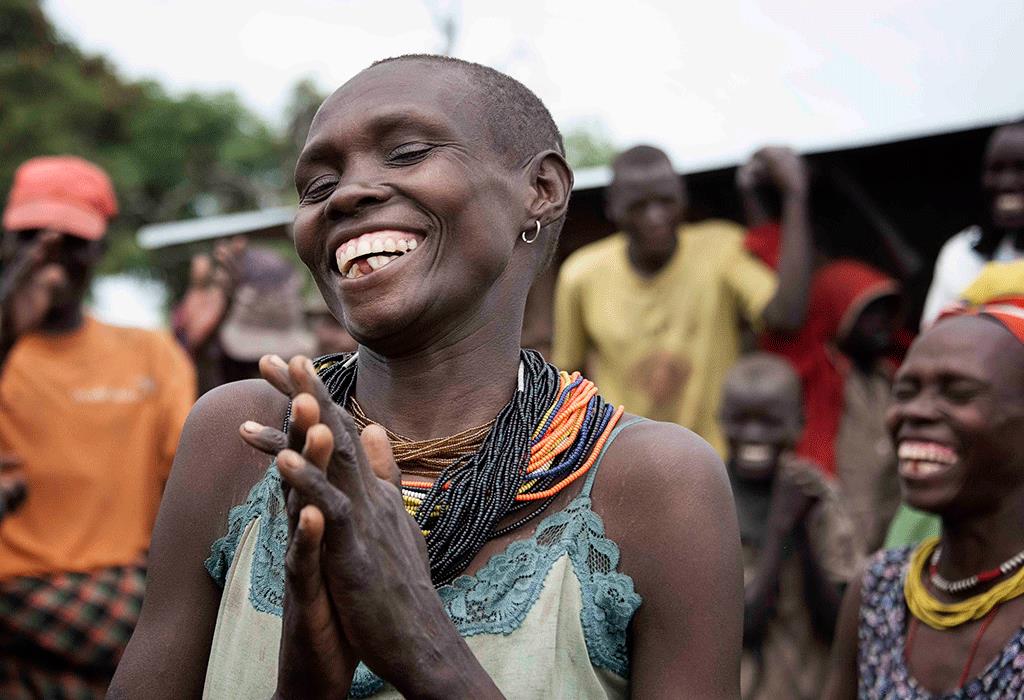
Uganda is widely celebrated for its breathtaking wildlife, mountain gorillas, scenic landscapes, and diverse birdlife. However, beyond its famous national parks lies another remarkable treasure that many travelers overlook Ugandan traditional culture. Every community across the country has preserved unique customs, beliefs, languages, ceremonies, dances, music, cuisine, and craftsmanship that continue to shape everyday life. These living traditions offer visitors an authentic glimpse into the country’s rich heritage while creating meaningful connections between local communities and international travelers.
Uganda is home to more than 56 officially recognized ethnic groups, each contributing to the country’s colorful cultural identity. Despite their differences, these communities share values that emphasize respect for elders, strong family ties, hospitality, hard work, and communal living. Whether you explore the royal kingdoms of central Uganda, visit the cattle keeping communities in the southwest, experience the energetic dances of eastern Uganda, or learn about the traditions of northern Uganda, every cultural encounter tells a fascinating story passed down through generations.
Unlike many destinations where ancient traditions exist only in museums, Ugandan culture remains alive. Traditional ceremonies still mark important life events such as births, marriages, harvests, and coronations. Local artisans continue weaving baskets by hand, blacksmiths still forge tools using age old techniques, and musicians perform rhythms that have echoed across villages for centuries. Visitors who include cultural experiences in their safari gain a much deeper understanding of Uganda beyond wildlife viewing.
At Entale African Safaris, cultural tourism is considered an essential part of every memorable safari. Exploring communities, meeting local people, tasting traditional dishes, watching cultural performances, and learning ancient customs enrich every journey through the Pearl of Africa. This guide explores the many aspects of Ugandan traditional culture while showing why cultural experiences deserve a place on every Uganda travel itinerary.
Understanding Ugandan Traditional Culture
Ugandan traditional culture reflects the beliefs, customs, values, lifestyles, and practices that have shaped communities across Uganda for centuries. Although modernization has influenced many aspects of daily life, cultural traditions continue to thrive in both rural and urban settings. Families proudly preserve customs that connect younger generations to their ancestors while adapting to changing times.
Culture in Uganda extends beyond colorful clothing or entertaining dances. It influences how families raise children, resolve conflicts, celebrate achievements, prepare food, welcome visitors, and respect community leaders. Many customs emphasize unity, cooperation, generosity, and mutual respect. These values continue to define Ugandan society today.
Every region contributes something unique to the country’s cultural diversity. Some communities specialize in cattle keeping, while others focus on farming, fishing, hunting, or craftsmanship. Different environments have shaped these lifestyles over hundreds of years, creating remarkable cultural diversity within one nation.
Visitors often discover that cultural experiences become some of the most memorable highlights of their Uganda safari. Instead of simply observing traditions, many communities invite travelers to participate by learning local dances, preparing traditional meals, weaving baskets, or joining storytelling sessions around evening fires.
The Diverse Tribes Behind Ugandan Traditional Culture
Uganda’s incredible cultural diversity comes from its numerous ethnic communities spread across every region of the country. Although each group has its own language, customs, attire, and traditions, peaceful coexistence has created a rich national identity built on mutual respect and cultural appreciation.
The Baganda, the largest ethnic group, mainly occupy central Uganda. Their kingdom remains one of Africa’s oldest traditional monarchies, and their customs strongly influence national culture. Visitors often experience traditional bark cloth making, royal heritage sites, and the famous Kiganda dance performances.
The Banyankole of southwestern Uganda are known for cattle keeping, especially the magnificent Ankole long-horned cattle. Their traditional lifestyle reflects pride in livestock, family values, and elaborate marriage customs. Travelers visiting western Uganda often enjoy cultural village tours that introduce them to traditional milk processing and cattle management practices.
In eastern Uganda, communities such as the Basoga, Bagisu, and Iteso preserve vibrant cultural ceremonies. The Bagisu are especially famous for their traditional male circumcision ceremony known as Imbalu, a cultural event celebrated with energetic music and dancing.
Northern Uganda is home to the Acholi, Langi, Alur, and several other groups whose traditions emphasize storytelling, music, communal leadership, and resilience. Their dances often feature synchronized movements accompanied by large drums and traditional instruments.
The western regions also host the Bakiga, Batooro, Banyoro, and Batwa communities. The Batwa, one of Uganda’s oldest indigenous groups, provide visitors with valuable insight into ancient forest lifestyles through carefully guided cultural experiences.
Each tribe enriches Ugandan traditional culture, making Uganda one of Africa’s most culturally diverse destinations.
Traditional Kingdoms and Leadership in Ugandan Traditional Culture
One of the most fascinating aspects of Ugandan traditional culture is the continued existence of traditional kingdoms. These cultural institutions remain highly respected even though they no longer exercise political authority over government affairs. Instead, they preserve cultural heritage, promote unity, and educate younger generations about their history.
The Kingdom of Buganda is the largest and most influential traditional kingdom. Its king, known as the Kabaka, serves as a powerful cultural symbol for millions of people. The royal palace, historic sites, cultural ceremonies, and clan system continue to attract visitors interested in Uganda’s history.
Other recognized kingdoms include Bunyoro-Kitara, Tooro, Busoga, and Rwenzururu. Each maintains unique customs, royal regalia, traditional ceremonies, and historical landmarks that provide insight into Uganda’s pre-colonial civilizations.
Many travelers include palace visits, royal tombs, and kingdom museums in their itineraries because these experiences reveal how traditional leadership shaped Uganda’s development long before colonial rule.
Traditional Music and Dance in Ugandan Traditional Culture
Music and dance remain central to Ugandan traditional culture because they accompany nearly every important social event. Communities perform traditional songs during weddings, harvest festivals, religious ceremonies, coronations, births, and community celebrations. These performances entertain audiences while preserving history, teaching moral values, and strengthening social bonds.
Traditional drums hold special cultural importance across Uganda. Skilled drummers create complex rhythms that guide dancers and communicate messages during ceremonies. Different communities also use instruments such as the endingidi, adungu, amadinda, endingiri, thumb pianos, flutes, and xylophones.
Every region has distinctive dance styles. The Baganda perform the energetic Bakisimba dance, while the Banyankole present graceful dances inspired by cattle movements. The Acholi perform lively group dances featuring synchronized footwork, and the Bagisu showcase energetic cultural performances during initiation ceremonies.
Many cultural centers welcome visitors to participate in dance workshops, making these performances interactive rather than simply observational. At Entale African Safaris, cultural performances often become unforgettable highlights of customized Uganda safaris.
Traditional Food and Cuisine in Ugandan Traditional Culture
Food provides another meaningful way to experience Ugandan traditional culture.Traditional meals reflect regional farming practices, climate, and local ingredients that communities have cultivated for generations.
Matooke, made from steamed green bananas, remains one of Uganda’s most famous staple foods. Families commonly serve it with groundnut sauce, beef, chicken, beans, or fresh vegetables. Millet bread, sweet potatoes, cassava, yams, rice, and maize also appear frequently across different regions.
Groundnut sauce, smoked fish, roasted goat, fresh vegetables, beans, and traditional stews showcase Uganda’s agricultural richness. In cattle keeping communities, milk and ghee play important roles in everyday diets.
Visitors often enjoy preparing traditional meals alongside local families during community tours. Cooking lessons provide valuable cultural insight while allowing travelers to appreciate authentic Ugandan hospitality through shared meals.
Traditional food also reflects the importance of community. Families frequently eat together, celebrate together, and welcome guests with generous hospitality. Sharing food symbolizes friendship, peace, and respect throughout Uganda.
Traditional Clothing and Crafts in Ugandan Traditional Culture
Traditional attire continues to play an important role during weddings, festivals, cultural ceremonies, and national celebrations. Clothing styles vary across ethnic communities while reflecting local identity and heritage.
Women from Buganda often wear the elegant Gomesi, a colorful dress featuring broad shoulders and a decorative sash. Men commonly wear the Kanzu, a long white robe traditionally paired with a jacket during formal occasions.
Craftsmanship remains another treasured aspect of Uganda’s cultural heritage. Skilled artisans produce handwoven baskets, pottery, wood carvings, jewelry, leather products, bark cloth, and woven mats using techniques passed through generations.
Bark cloth, produced from the Mutuba tree, represents one of Uganda’s oldest traditional textiles. Craftsmen carefully harvest the tree bark without cutting down the tree, demonstrating sustainable practices developed centuries ago.
Many travelers purchase locally made crafts directly from community cooperatives. These purchases support local livelihoods while helping preserve traditional skills for future generations.
Traditional Ceremonies and Beliefs in Ugandan Traditional Culture
Life in Uganda has always revolved around important ceremonies that mark major milestones. Birth celebrations, naming ceremonies, initiation rituals, marriages, harvest festivals, and funerals all carry deep cultural significance.
Traditional marriage ceremonies remain especially elaborate. Families negotiate introductions, exchange gifts, perform blessings, and celebrate through music, dance, and feasting. Although many couples now hold religious weddings, traditional introductions remain highly respected across many communities.
Respect for ancestors also forms part of many traditional belief systems. Communities often preserve sacred sites, historical shrines, and ceremonial practices that honor previous generations. While Christianity and Islam are now the dominant religions, several traditional customs continue alongside modern religious practices.
Storytelling remains another important cultural tradition. Elders share folktales that teach honesty, courage, kindness, patience, and responsibility. These stories help preserve community history while passing valuable lessons to younger generations.
Why Experience Ugandan Traditional Culture During Your Safari?
Many visitors initially travel to Uganda for gorilla trekking, chimpanzee tracking, or wildlife safaris. However, adding cultural experiences transforms a good safari into an unforgettable journey. Meeting local communities creates genuine human connections that wildlife alone cannot provide.
Cultural tourism also supports local livelihoods. Community tourism projects generate income for families, preserve traditional skills, encourage environmental conservation, and reduce pressure on natural resources. Travelers who participate directly contribute to sustainable tourism while gaining authentic experiences.
Visitors can enjoy village walks, cultural museums, traditional cooking lessons, storytelling sessions, craft workshops, dance performances, local markets, and homestead visits. Every activity deepens appreciation for Uganda’s remarkable diversity.
Entale African Safaris carefully designs itineraries that combine wildlife adventures with meaningful cultural encounters. This balanced approach allows travelers to experience Uganda’s natural beauty while celebrating its vibrant cultural heritage.
Best Places to Experience Ugandan Traditional Culture
Several destinations offer outstanding opportunities to explore Uganda’s living heritage. Kampala introduces visitors to Buganda’s royal history through cultural landmarks and museums. Southwestern Uganda offers Banyankole cultural experiences alongside visits to Ankole cattle farms and local homesteads.
The Batwa cultural experiences near Bwindi Impenetrable National Park reveal the remarkable forest traditions of one of Africa’s oldest indigenous communities. Eastern Uganda provides opportunities to experience Bagisu traditions, while northern Uganda showcases Acholi music, dance, and storytelling.
Cultural centers, local markets, community tourism initiatives, heritage sites, and village tours across the country ensure that every region offers unique experiences. Travelers can easily combine these activities with wildlife safaris, gorilla trekking, birdwatching, or hiking adventures.
Conclusion
Ugandan traditional culture represents one of Africa’s richest living heritages. From ancient kingdoms and colorful ceremonies to traditional music, local cuisine, handcrafted art, and warm hospitality, Uganda offers cultural experiences that remain authentic and deeply meaningful. Every tribe contributes unique traditions while sharing common values centered on family, community, respect, and generosity.
Visitors who explore Uganda beyond its wildlife discover a destination where history lives through everyday life. Rather than existing only in museums, cultural traditions continue to thrive across villages, towns, and kingdoms throughout the country. Every dance performance, shared meal, handmade craft, and community visit reveals another chapter in Uganda’s remarkable story.
At Entale African Safaris, we believe every journey should celebrate both Uganda’s incredible wildlife and its extraordinary people. By including cultural experiences in your itinerary, you create lasting memories while supporting local communities and preserving traditions that have shaped Uganda for centuries. Whether you visit for gorilla trekking, wildlife safaris, or cultural exploration, Uganda will welcome you with genuine warmth and unforgettable experiences that stay with you long after your journey ends.