
Unique safari experiences in Africa include rhino tracking on foot, horseback safaris, night game drives, golden monkey tracking, cycling among wildlife, guided cultural walks, and wilderness walking safaris. They provide exciting alternatives to the traditional game drives.
An African safari can entail much more than just viewing wildlife through a vehicle window. Across the continent, travelers can walk, ride, cycle, track wildlife, and explore landscapes alongside knowledgeable local guides.
If you want your next African adventure to feel different, these seven experiences offer deeper connections with wildlife, landscapes, and local cultures.
1. Tracking Rhinos on Foot
You can get remarkably close to Africa’s conservation narrative by tracking rhinos on foot.
Trained guides walk visitors through locations like Uganda’s Ziwa Rhino Sanctuary, explaining rhino behavior, tracks, feeding habits, and conservation initiatives.
The experience is entirely different when you walk instead of drive. You become more conscious of everything around you, including footprints, sounds, and vegetation.
One of your favorite safari experiences could be witnessing such a formidable animal from the ground.
2. Safaris on horseback
A horseback safari replaces the sound of a safari vehicle with hoofbeats and the sounds of nature.
Destinations such as Lake Mburo in Uganda and selected conservancies elsewhere in Africa offer guided horseback experiences. Depending on the location, you may ride through landscapes inhabited by zebras, antelopes, giraffes, warthogs, and other wildlife.
The slower movement creates a peaceful connection with the surroundings. It is particularly appealing if you want wildlife, adventure, and beautiful scenery within one experience.
You can combine horseback riding with traditional game drives for greater variety.
3. Night Game Drives
Africa’s wilderness changes dramatically after sunset.
A night game drive introduces you to the nocturnal side of safari. With an experienced guide and controlled spotlight, you search for animals that are difficult to encounter during daylight hours.
The darkness also heightens your senses. Suddenly, rustling vegetation, distant calls, glowing eyes, and movements through the grass become exciting.
Night drives are permitted only in certain parks, private reserves, and conservancies. Therefore, include the experience when planning your itinerary rather than assuming every park offers it.
4. Golden Monkey Tracking
Mountain gorillas receive much of the attention, but golden monkeys provide another fascinating primate adventure.
These energetic primates can be tracked in the Virunga region, including Mgahinga Gorilla National Park in Uganda and Volcanoes National Park in Rwanda.
Golden monkeys are active and playful. You may watch them jump between bamboo stems, feed, interact, and move quickly through the vegetation.
Golden monkey tracking is especially rewarding when combined with gorilla trekking. You experience two entirely different primate encounters within the same safari.
5. Cycling Safaris
A bicycle may not be your first thought for an African safari, but that makes this experience interesting.
Cycling experiences around wildlife destinations such as Lake Mburo allow you to slow down and appreciate the surrounding landscapes differently.
You may encounter zebras, antelopes, warthogs, birds, and other wildlife while exploring designated areas with appropriate guidance.
Cycling also breaks up long days inside safari vehicles. It adds movement, adventure, and fresh air to your itinerary while still keeping wildlife at the center of your journey.
6. Guided Cultural Walks
Some of Africa’s most memorable safari experiences happen beyond national park boundaries.
Guided cultural walks allow you to experience landscapes alongside people who have lived within them for generations. The Loita Hills in Kenya, for example, can provide meaningful walking experiences with Maasai guides.
You can explore beautiful hills, forests, and community landscapes while learning about traditional knowledge and connections to the environment.
A well-organized cultural walk should feel like an exchange rather than a performance. Take time to listen, ask respectful questions, and understand the stories behind the places you visit.
Combining the Loita Hills with the Maasai Mara also creates an excellent balance between culture, walking, relaxation, and traditional wildlife viewing.
Bush Breakfast in the Wild
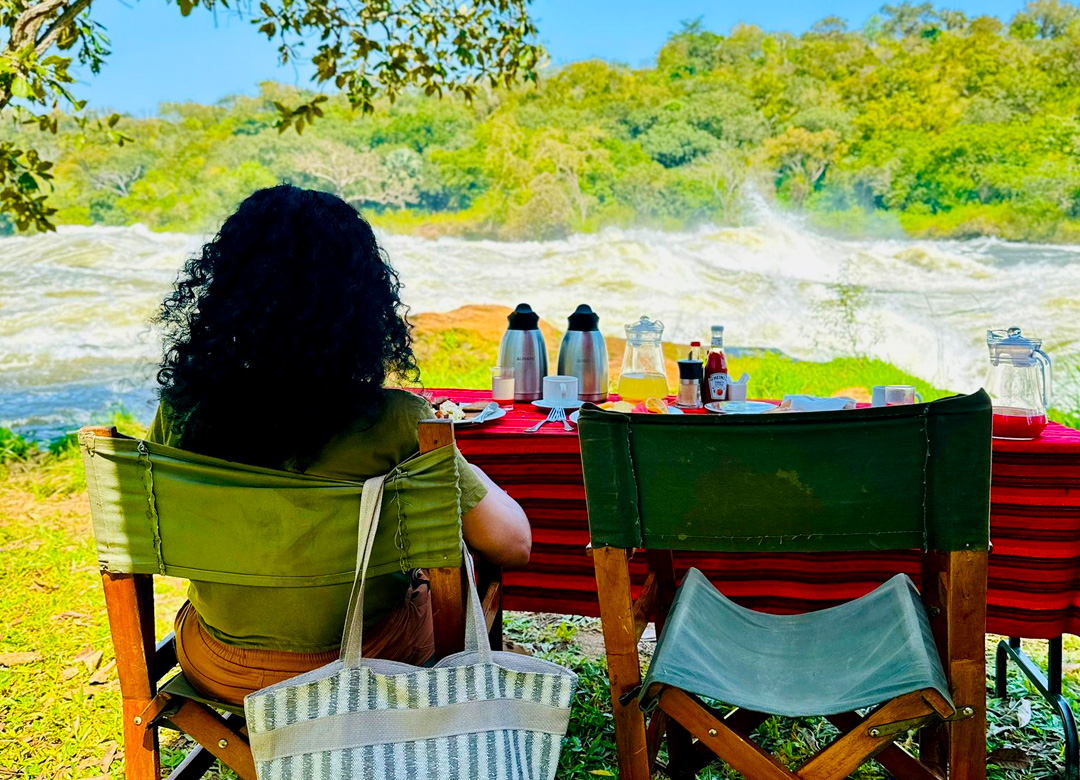
A bush breakfast turns an ordinary safari morning into one of Africa’s most memorable dining experiences. Instead of returning to your lodge after an early game drive, breakfast is prepared at a carefully selected spot surrounded by nature.
Picture a table set beneath an acacia tree or overlooking the open savannah. While you listen to birds and watch the landscape come alive, the staff serve fresh coffee, tea, fruits, pastries, eggs, and other breakfast favorites.
The experience feels especially rewarding after an early morning game drive. You can slow down, enjoy the scenery, share stories from the morning’s wildlife sightings, and appreciate the peaceful side of the African wilderness.
Selected safari camps and lodges in destinations such as the Serengeti, Maasai Mara, and other wildlife areas offer bush breakfasts. The exact setting and arrangements depend on the property and destination.
Why it is unusual: You are not simply having breakfast; you are dining in the wilderness, surrounded by the sights and sounds that make an African safari unforgettable.
Why Choose Unusual Safari Experiences in Africa?
Traditional game drives remain an incredible way to experience African wildlife. However, unusual safari activities can add greater variety to your journey.
You could spend one morning tracking wildlife on foot and enjoy a game drive that afternoon. Another day might involve cycling, horseback riding, primate tracking, or visiting a local community.
These experiences encourage you to slow down. Instead of focusing entirely on the Big Five, you begin noticing landscapes, smaller wildlife, sounds, plants, people, and conservation stories.
That variety can make your safari feel more personal.
Combining Unusual Experiences with a Traditional Safari
You do not need to replace traditional game drives.
Instead, combine them.
In Uganda, for example, you could track rhinos at Ziwa before continuing to Murchison Falls. Later, enjoy cycling, walking, or horseback riding around Lake Mburo before continuing toward the country’s primate destinations.
In Kenya, combine the Maasai Mara with guided walks around the Loita Hills. Rwanda can add golden monkey tracking, gorilla trekking, hiking, and cultural encounters.
A multi-country itinerary can take the experience even further by combining Uganda, Rwanda, Kenya, and Tanzania.
Planning Your Unusual African Safari
The best safari should reflect what you genuinely enjoy.
Consider your fitness level, interests, available time, preferred accommodation, and comfort around wildlife. Some activities require permits, advance reservations, experienced guides, or particular fitness levels.
This is where careful planning becomes important.
Entale African Safaris can combine classic wildlife viewing with unique safari experiences in Africa, including walking, cycling, horseback riding, primate tracking, cultural encounters, boat safaris, and traditional game drives.
Your journey can be customized around Uganda, Rwanda, Kenya, Tanzania, or a combination of several destinations.
Conclusion
The best unusual safari experiences in Africa go beyond sitting in a safari vehicle. Rhino tracking, horseback riding, night game drives, golden monkey tracking, cycling, cultural walks, and walking safaris all offer unique ways to experience Africa.
Combine these adventures with traditional game drives, cozy lodges, breathtaking scenery, and meaningful cultural experiences. You will return home with more than just wildlife photographs; you will also bring back stories about how it felt to explore Africa.