
Many tourists believe that their first safari game drive is when an African safari truly feels authentic. As the bush is still silent, you leave your lodge and watch the scenery gradually come to life.
Finding lions and elephants is just one aspect of a game drive, though. You can make the most of every moment by being aware of what to bring, what happens during the experience, and basic safari etiquette.
The Pre-Dawn Wake-Up: 5:00–5:30 a.m.
Your morning may begin earlier than expected. Many safari lodges arrange wake-up calls between 5:00 and 5:30 a.m., depending on the park and planned departure.
You may have coffee, tea, or a light snack before leaving. Carry a light jacket because mornings can be surprisingly cool.
That early alarm is worthwhile. Cooler morning conditions can provide excellent opportunities to encounter active wildlife.
Departure: Climbing Into the Vehicle—5:30–6:00 a.m.
Next, you experience the thrilling part of getting into your safari vehicle.
Your guide will briefly explain the route, anticipated conditions, and fundamental safety regulations. Then, as daylight starts to appear, you set out into the wilderness.
Keep your camera close at hand. It’s possible that you will encounter wildlife for the first time sooner rather than later.
First Sightings and First Light: 6:00–7:00 a.m.
As the sun rises, the landscape changes quickly.
You might encounter giraffes feeding between trees, elephants crossing a track, buffalo grazing, or antelopes moving through the grass.
Do not focus only on the biggest animals. Birds, monkeys, warthogs, zebras, and smaller species can make your first African safari game drive equally fascinating.
The Big Moment: Your First Big Game – 7:00–8:00 a.m.
Then comes the moment you have probably been waiting for.
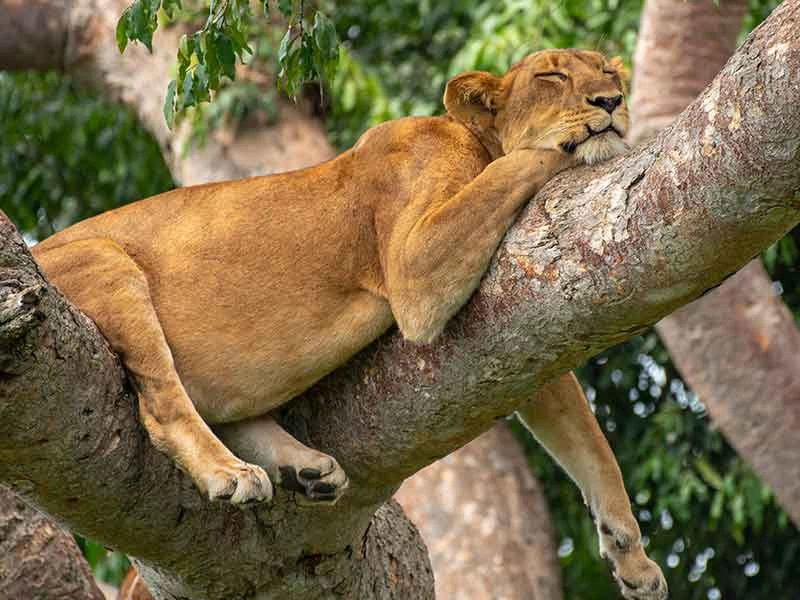
Perhaps your guide suddenly stops the vehicle. There is a lion resting ahead. An elephant family could emerge from the bush, or an elusive leopard might be resting in a tree.
Nothing is guaranteed. That uncertainty makes encountering wildlife in its natural environment much more rewarding.
8:00–9:00 a.m. is the mid-morning cruise.
Your game drive becomes a little more laid back as the temperature rises.
This is an excellent chance to enjoy the broader scenery. Your guide will cover animal behavior, tracks, plants, conservation, and the interactions between various species.
Make inquiries. An experienced guide can turn a simple animal sighting into an intriguing wildlife narrative.
The Bush Coffee Shop (optional)
Depending on your destination, route, and park regulations, your guide may stop at a designated safe location.
Enjoy a cup of coffee or tea while taking in the surroundings. It is a simple experience, but the peaceful setting can make it memorable.
Always leave the vehicle only when your guide confirms that it is permitted and safe.
Heading Back – Around 9:00–10:00 a.m.
After several hours exploring, you may return to your lodge for breakfast.
You can then relax, enjoy the swimming pool, have lunch, or prepare for another safari activity.
Game-drive schedules differ between destinations, so these times are only an example of how a typical morning may unfold.
What About an Afternoon Game Drive?
Morning is not your only opportunity to explore.
Afternoon game drives generally begin when temperatures start cooling and can continue toward sunset, depending on park regulations.
Wildlife activity may increase again during the cooler hours. The warm evening light can also create beautiful conditions for photography.
Doing both morning and afternoon game drives allows you to experience different sides of the same wilderness.
How Near Do You Actually Get to Animals?
Animals can get surprisingly close at times.
Ahead, an elephant might cross the track. While giraffes may stealthily pass your car, lions may take a nap close to the road.
But the objective should never be to get close. Your guide will determine a suitable viewing distance based on park rules and wildlife behavior.
Allowing animals enough room to act naturally leads to the best interactions.
Etiquette for Safari Game Drive
Good safari game drive etiquette protects you, other travelers, and the wildlife you have traveled so far to see.
- Listen to your guide and follow park regulations.
- Stay inside the vehicle unless your guide says it is safe and permitted to exit.
- Keep voices low and avoid sudden movements around wildlife.
- Never feed, call, chase, or disturb animals for photographs.
- Respect wildlife and other vehicles by allowing enough viewing space.
- Never litter or leave anything behind in the park.
Remember one simple rule: observe wildlife without interfering with its natural behavior.
What If You Do Not See the Big Five?
Don’t let this ruin your safari.
No responsible safari operator can guarantee every animal on a single game drive because wildlife moves freely. If you don’t find a leopard, you might come across elephants, giraffes, hyenas, hippos, or a sizable herd of buffalo.
Safari is about enjoying what the natural world has to offer each day.
Sometimes the most memorable story is the completely unexpected sighting.
What Should You Bring on Your First Game Drive?
Pack lightly, but bring a few essentials to keep yourself comfortable.
- Binoculars for distant wildlife.
- Camera or smartphone for photographs.
- Water, sunscreen, sunglasses, and a hat for warmer conditions.
- Light jacket for cool early mornings.
- Comfortable neutral clothing and shoes suitable for safari.
- Small daypack for your personal essentials.
Most importantly, bring patience and curiosity. Wildlife does not follow a timetable.
Where Should You Take Your First African Game Drive?
East Africa offers excellent choices for first-time safari travelers.
Uganda offers game drives in destinations such as Queen Elizabeth National Park and Murchison Falls National Park. You can also combine wildlife viewing with boat safaris, gorilla trekking, and chimpanzee tracking.
Kenya and Tanzania are famous for expansive savannah landscapes, predators, large herbivore populations, and classic safari experiences in destinations such as the Masai Mara and Serengeti.
Your best destination depends on your travel dates, budget, preferred animals, and the other experiences you want to include.
Why Your First Game Drive Stays With You
Your first safari game drive is difficult to recreate anywhere else.
You hear birds as the sun rises. Your guide notices tracks you would never have spotted. Everyone suddenly becomes quiet when something moves through the grass.
Then an elephant, lion, giraffe, or another wild animal appears—not behind a fence, but living naturally in its environment.
That unpredictability is what makes a safari so special.
Plan Your First Game Drive with Entale African Safaris
Planning the right safari involves more than choosing a national park. Timing, accommodation, guides, routes, and complementary activities can all shape your experience.
Entale African Safaris can help you plan a personalized safari across Uganda, Kenya, Tanzania, and Rwanda. Your journey can combine morning and afternoon game drives with boat safaris, gorilla trekking, cultural experiences, and carefully selected lodges.
Whether this is your first visit to Africa or another journey back, we can design your safari around the experiences that matter most to you.
Conclusion
Your first safari game drive could begin before sunrise and continue through changing landscapes, wildlife encounters, photography, and fascinating stories from your guide. You may come across well-known predators or discover that smaller, unexpected sightings become your favorite memories.
Come prepared, respect wildlife, follow your guide, and let nature dictate the pace. With careful planning from Entale African Safaris, your first game drive can be the start of an unforgettable East African adventure.