
The Rwanda Royal Trail in Nyanza is a 10-kilometer cultural journey connecting Rwanda’s royal history, traditional life, heritage landmarks, and beautiful rural landscapes. Instead of experiencing the country’s past entirely in a museum, the trail lets you walk through places where Rwanda’s royal story unfolded and encounter the communities and landscapes of Nyanza today.
For travelers looking beyond gorilla trekking and classic wildlife safaris, Nyanza introduces another side of Rwanda. The town was established as Rwanda’s first permanent royal capital in 1899 and remained the royal capital until the country became a republic in 1962. This history makes Nyanza one of the most significant destinations for understanding Rwanda’s monarchy and cultural heritage.
Yet, the experience goes beyond dates and historical buildings. Along the Rwanda Royal Trail, you encounter royal heritage, traditional architecture, the famous Inyambo cattle, rural communities, agriculture, wetlands, and viewpoints. This combination of history, culture, landscape, and everyday life makes Nyanza worth adding to a deeper Rwanda itinerary.
What Is the Rwanda Royal Trail?
The Rwanda Royal Trail is a 10-kilometer cultural walking route in Nyanza District in Rwanda’s Southern Province.
The Rwanda Cultural Heritage Academy describes it as a route that combines history, culture, and Rwandan rural life within one experience. It connects Nyanza with several sites associated with Rwanda’s former monarchy.
The trail itself is varied. According to the academy, approximately 10% passes through asphalted urban areas, 30% follows paths, and 60% runs along dirt roads. This allows the journey to move naturally between town, countryside, and heritage sites.
Instead of visiting one attraction and leaving, you experience Nyanza as a connected cultural landscape.
That distinction is important.
The Royal Trail turns the destination into a story that unfolds as you walk.
Why Is Nyanza Important to Rwanda’s Royal History?
To understand the Royal Trail, you first need to understand Nyanza.
Rwandan kings traditionally moved between different royal residences. This practice changed toward the end of the nineteenth century.
King Yuhi V Musinga established Nyanza as Rwanda’s first permanent royal capital in 1899. It remained the royal capital until Rwanda became a republic in 1962.
Consequently, Nyanza became closely associated with Rwanda’s monarchy, royal traditions, and political history.
Today, that heritage remains visible through palaces, historical sites, royal cattle traditions, and other cultural landmarks.
This makes a Nyanza cultural tour particularly valuable for travelers who want to understand Rwanda beyond its most internationally famous attractions.
Walk Through Rwanda’s Royal Heritage
One of the most fascinating elements of the Royal Trail is how the route connects different historical landmarks.
The Rwanda Cultural Heritage Academy identifies several important sites and features along the trail, including:
- the former Royal Palace
- the King’s Palace Museum
- replicas of the historic royal residence
- the traditional royal Inyambo cattle
- the Mausoleum of the Kings of Rwanda
- Christ-Roi Church
- Nyanza town and its market
- rural agricultural landscapes
- lakes, wetlands, and viewpoints
Walking between these places provides something a quick museum visit cannot always deliver: geographical context.
You begin to understand how the royal sites relate to the wider landscape and communities around them.
Visit the King’s Palace Museum in Nyanza.
For many travelers, the King’s Palace Museum is one of the highlights of visiting Nyanza.
The site includes a reconstruction of a traditional royal residence. Its striking thatched architecture provides a visual introduction to Rwanda’s historic royal court.
The museum experience also explores how the royal court lived and functioned.
According to the Rwanda Cultural Heritage Academy, the site includes replicas representing different elements of royal life as well as the modern residence associated with King Mutara III Rudahigwa.
This gives visitors an opportunity to explore the transition between older royal traditions and later periods of Rwanda’s monarchy.
But another attraction often steals visitors’ attention.
The Inyambo.
Meet Rwanda’s Famous Inyambo Cattle
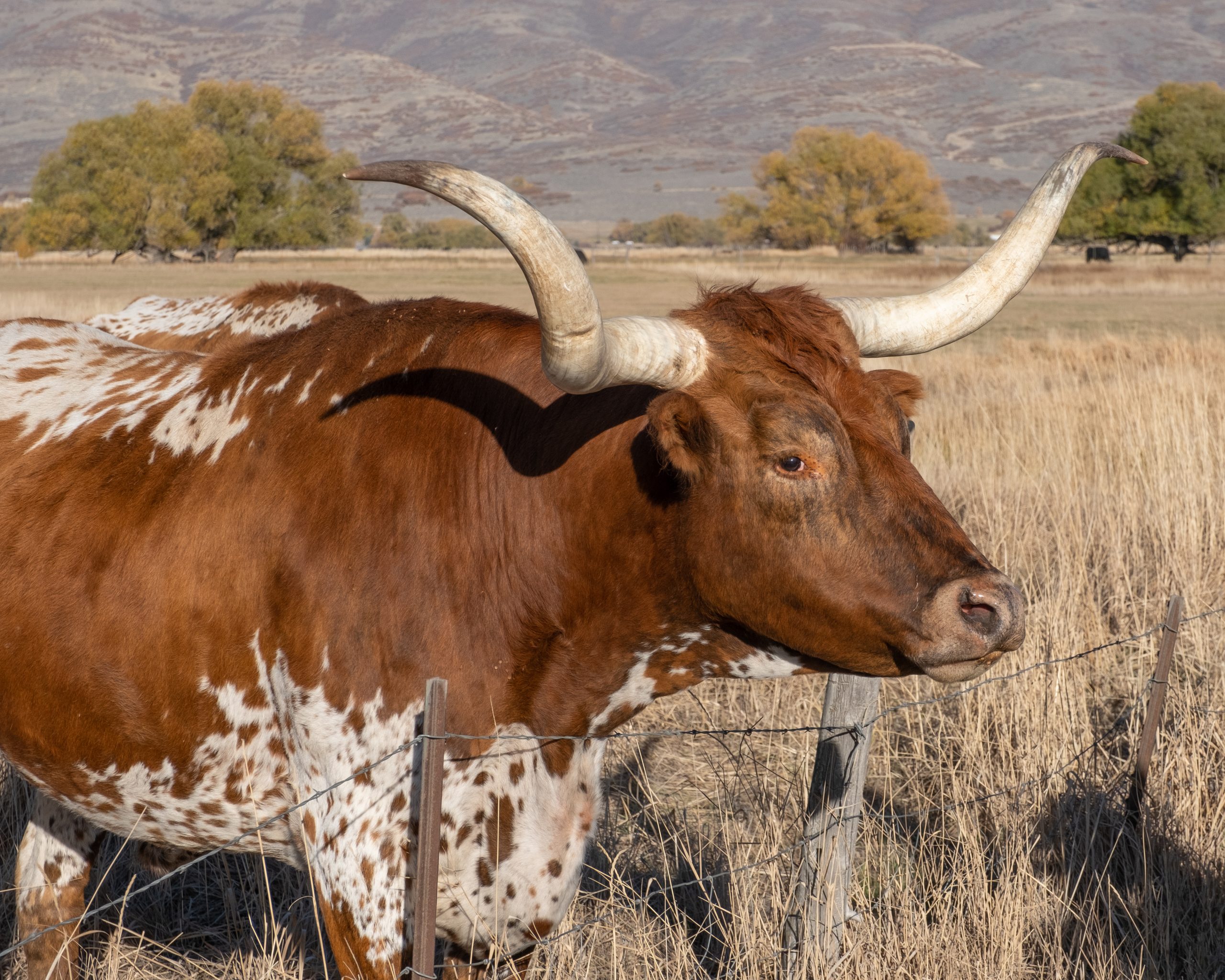
The Inyambo cattle are among the most memorable cultural sights in Nyanza.
These impressive long-horned cattle closely connect with Rwanda’s royal traditions. Cattle historically held important cultural significance, while royal cattle were associated with prestige.
Today, visitors to the King’s Palace Museum can encounter Inyambo cattle and learn about the traditions surrounding their care. Their keepers are known for singing pastoral songs and poetry to them.
Their extraordinary horns immediately command attention.
Yet, the experience is more meaningful when you understand the relationship between cattle, status, pastoral culture and the royal court.
That is precisely where a guided cultural experience adds value.
You are not simply photographing beautiful cattle.
You are discovering why they matter.
The Rwanda Royal Trail Is More Than a History Walk
This section is where the Royal Trail becomes particularly interesting.
Although royal history forms the foundation of the experience, the route also passes through the living landscapes of modern Nyanza.
The Rwanda Cultural Heritage Academy notes that visitors encounter town, village, and countryside life, including different homes, agriculture, and livestock. The route also incorporates natural features such as wetlands, lakes, and viewpoints.
Therefore, your experience can shift quickly.
One moment, you are learning about kings and royal residences.
Later, you may be walking beside cultivated land or observing daily community life.
That contrast creates a more complete cultural experience.
History does not feel isolated from the present; instead, you see how heritage sits within a place where people continue to live, farm, create, and build their future.
Experience Traditional Art and Craftsmanship in Nyanza
Travelers interested in art and craftsmanship can take their cultural journey even further.
Community-based experiences promoted around Nyanza include traditional pottery, basket weaving, and cultural performances. These activities create opportunities for visitors to engage more directly with the skills and creativity found within local communities.
This is especially appealing if you enjoy the type of travel where you meet the person behind an object rather than simply purchasing a souvenir.
Imagine learning how a basket takes shape.
Watch how raw materials become something beautiful.
Listen to the maker explain the process.
Then, if you choose to purchase a piece, you understand where it came from and who created it.
That small interaction can become a meaningful memory from your Rwanda cultural tour.
See the Rural Side of Rwanda
Many international visitors experience Rwanda through Kigali, national parks, and major tourism routes.
The Royal Trail offers something different.
It slows the journey down.
Walking through Nyanza allows you to observe agricultural landscapes, livestock, homes, and daily routines within the countryside. This gives you another perspective on Rwanda beyond its urban centers and wildlife destinations.
For photographers, slow travelers, and culturally curious visitors, these everyday scenes can be especially rewarding.
You begin noticing details that disappear when traveling quickly between destinations.
Why Should You Visit Nyanza?
Nyanza deserves consideration because it adds cultural depth to a Rwanda safari.
You should consider visiting if you are interested in:
- Rwandan history and the ex-monarchy
- Cultural Walks
- Ancient architecture
- Royal line of Inyambo
- Local art and handcraft
- Community life and rural scenery
- Photography and Narrative
- Travel, slower and deeper
It is particularly suitable for travelers who want to understand why places matter instead of simply seeing them.
Is the Rwanda Royal Trail Worth Visiting?
Yes, especially if history, culture, and local life are important parts of how you travel.
The Royal Trail is not designed around wildlife sightings or adrenaline.
Its value comes from connection to the land.
You walk between places associated with Rwanda’s monarchy while experiencing the wider landscape surrounding them.
That creates a different type of safari memory.
You may leave Rwanda remembering your gorilla encounter or beautiful landscapes.
However, experiences such as Nyanza can help you understand more about the country behind those attractions.
Combine Nyanza With Nyungwe National Park
Nyanza also makes geographical sense within a broader southern Rwanda journey.
Visit Rwanda specifically identifies the town as a worthwhile cultural stop for travelers heading toward Nyungwe National Park.
That creates an attractive combination.
You could begin with Kigali, travel south to explore Nyanza’s royal heritage, and then continue toward Nyungwe for rainforest experiences.
Your journey could combine:
Kigali → Nyanza Royal Trail → King’s Palace → cultural experiences → Nyungwe National Park
This itinerary transforms what could simply be a transfer day into another meaningful part of your Rwanda safari.
For Entale African Safaris, this journey also creates an opportunity to design Rwanda itineraries that go deeper than the standard highlights.
Royal Trail or Big View Trail: What Is the Difference?
In fact, Nyanza has multiple cultural trails.
The 10-kilometer Royal Trail emphasizes the blend of rural life, culture, and royal heritage.
The Big View Trail leads to Remera Hill and is about 8 kilometers long. Its expansive views of the surrounding countryside are especially noteworthy. Before diverging close to Nyamagana Lake, a portion of the route first crosses over with the Royal Trail.
As a result, your decision is based on your interests.
Choose the Royal Trail if Rwanda’s monarchy and cultural history interest you.
For those who prefer a walk that emphasizes landscapes and expansive scenery, the Big View Trail is a great option.
How Long Is the Royal Trail in Rwanda?
The Royal Trail is approximately 10 kilometers long.
Visit Rwanda’s hiking guide lists the route at around 3.5 hours, although your overall experience can vary depending on your pace, stops and the cultural sites you include.
Avoid rushing it simply to finish quickly.
The value lies in stopping, listening, and understanding what you encounter.
Comfortable walking shoes, drinking water, and sun protection are sensible additions for the experience.
When Should You Add Nyanza to Your Rwanda Safari?
Nyanza works particularly well for travelers combining several parts of Rwanda.
It can complement:
- Kigali cultural experiences
- Nyungwe forest adventures
- chimpanzee trekking
- tea plantation experiences
- Lake Kivu stays
- Volcanoes National Park and gorilla trekking
- wider Rwanda cultural tours
This makes Nyanza more than a standalone attraction.
It can become the cultural bridge between different stages of your journey.
Experience the Rwanda Royal Trail With Entale African Safaris
A cultural destination becomes much more meaningful when you understand the stories behind what you are seeing.
Entale African Safaris can incorporate Nyanza into a personalized Rwanda journey rather than treating it as another quick stop between major destinations.
Your experience can combine the Rwanda Royal Trail, King’s Palace Museum, Inyambo cattle, local craftsmanship, and other cultural encounters before continuing toward Nyungwe or another part of Rwanda.
This approach gives you more than photographs.
It gives you context. And when you eventually leave Rwanda, you will have experienced not only its wildlife and landscapes but also some of the heritage that shaped the country.
Frequently Asked Questions About the Rwanda Royal Trail
What is Rwanda’s Royal Trail?
The Rwanda Royal Trail is a 10-kilometer cultural route in Nyanza connecting royal heritage sites with rural landscapes, community life, and natural features.
Where is the Royal Trail in Rwanda?
The Royal Trail is located in Nyanza District in Rwanda’s Southern Province, an area strongly associated with the country’s former monarchy.
Why is Nyanza famous?
Nyanza is renowned for its royal heritage. It became Rwanda’s permanent royal capital in 1899 and retained that status until Rwanda became a republic in 1962.
What can you see on the Rwanda Royal Trail?
The route connects royal heritage sites and landscapes, including the former Royal Palace, King’s Palace Museum, royal Inyambo cattle, the royal mausoleum, Christ-Roi Church, rural communities, agricultural areas, wetlands, and viewpoints.
How long does the Rwanda Royal Trail take?
The Royal Trail is approximately 10 kilometers, with Visit Rwanda’s hiking guide listing an approximate walking duration of 3.5 hours.
Can I combine Nyanza with Nyungwe National Park?
Yes. Nyanza is well positioned as a cultural stop when traveling toward Nyungwe, allowing you to combine royal history and community experiences with Rwanda’s rainforest attractions.
Conclusion
The Rwanda Royal Trail in Nyanza offers something increasingly valuable in modern travel: the opportunity to slow down and understand a destination beyond its headline attractions. Across its 10-kilometer route, royal palaces, Inyambo cattle, historical landmarks, rural communities, and natural landscapes come together to tell a broader story about Rwanda’s heritage. Instead of experiencing history only behind museum walls, you walk through the landscape where part of that history unfolded.
For travelers building a deeper Rwanda safari, Nyanza can therefore become much more than just a stop on the road to Nyungwe. Combine the Royal Trail with local craftsmanship in Kigali, Nyungwe, and Rwanda’s other cultural and wildlife experiences, and your journey begins to reveal the country from several perspectives. With Entale African Safaris, the goal is not simply to take you from attraction to attraction but to help you experience the stories, people, and places that make Rwanda worth understanding. Contact us at info@entaleafricansafaris.com for inquiries and safari planning.