
Why take a vacation in the low season?
The best time to go on an East African safari is not necessarily the most popular months. Although most travelers prefer the popular dry seasons, some of the most rewarding safari experiences in East Africa take place when fewer visitors are exploring the national parks. The quieter months offer beautiful landscapes, more peaceful wildlife sightings, and the chance to enjoy safari accommodation at lower rates.
Picture elephants on the savanna and multiple safari vehicles vying for the same view. Picture the relaxed atmosphere of trekking through the rainforests of Uganda, the rolling hills of Rwanda, or the green plains of Tanzania. Traveling off-season lets you enjoy the natural beauty at your leisure, with less traffic and more flexibility in planning your visit.
To know the best time to visit Africa for a safari, you need to know the three main travel seasons: peak season, shoulder season, and low season. Each has something different to offer, but the less-visited shoulder and low seasons can be particularly attractive to travelers seeking affordability, privacy, and authentic wildlife experiences.
High Season: The Peak Safari Months
The main season is usually from June to September, with another busy period between December and February in many destinations in East Africa. These months tend to be fairly dry, which makes wildlife viewing and gorilla trekking more enjoyable.
But popular national parks can get busy, accommodation is often more expensive, and some lodges sell out months in advance. Peak season offers great safari opportunities but may not be ideal for those who like quiet surroundings and more flexibility.
Shoulder Season: The Perfect Balance
Shoulder season is the time between peak and low season. In Uganda and Rwanda, it typically takes in parts of March and October, though the dates vary across East Africa.
One of the most underrated times for an African safari. Visitor numbers may be lower, accommodation availability better, and some lodges are more competitive with their rates. Landscapes also become greener, providing beautiful scenery for wildlife photography and nature experiences.
For travelers who want comfortable safari conditions but not the biggest crowds, the shoulder season provides a nice compromise between price, wildlife viewing, and relaxation.
Low Season
The low season, also known as the green season, generally falls during the wetter months. In Uganda and Rwanda, April and May tend to be quieter months, and November can also see fewer tourists. The seasonal patterns in Kenya and Tanzania are not the same.
There are some wonderful benefits to this time of year, even with the occasional rain. National parks are less crowded, some lodges drop their rates, and the landscapes are beautifully green. Birdwatching can be especially rewarding, and waterfalls, forests, and savanna scenery provide great photo opportunities.
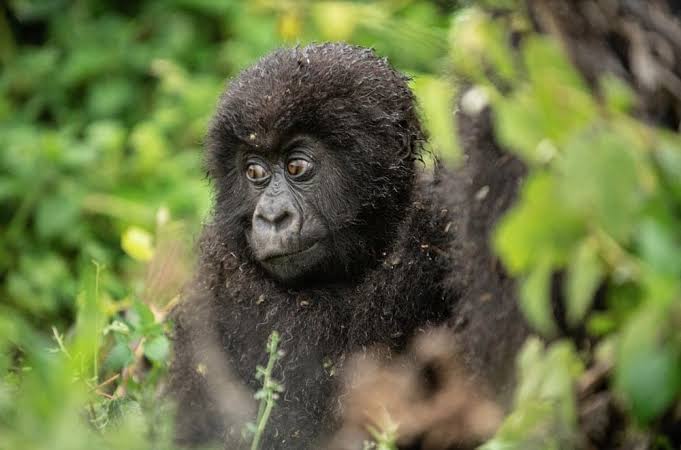
In many places you can still do gorilla treks, chimpanzee treks, and game drives, although the trails may be muddy and the rain heavy, making activities more difficult at times. If you plan carefully, traveling to Africa in the low season can be a peaceful and memorable adventure.
Why Should You Book During the Shoulder or Low Season?
When planning your ideal time for an African safari, you need to consider more than just the weather. Many visitors miss the benefits of traveling in the quieter months.
- Discounted accommodation rates: Some safari lodges offer seasonal discounts, enabling travelers to enjoy quality accommodation at more affordable rates.
- Less Crowded: Quieter national parks can translate to more relaxed wildlife encounters and less competition at popular viewing spots.
- More flexibility: Travelers might have more options and flexibility for accommodation and arranging their itineraries, as demand is lower.
- Scenic views: Seasonal rains make many destinations lush green, making them a perfect place for landscape photography.
- More and better birdwatching: Green-season conditions can lure migratory birds and trigger breeding activity at some destinations.
- More peaceful experiences: With fewer visitors, lodge stays, guided activities, and cultural encounters can feel more personal.
Rainfall and wildlife movements differ from destination to destination, but these advantages make the shoulder and low seasons worth thinking about, especially for travelers looking for good value and less-crowded surroundings.
Why Book Your Safari With Entale African Safaris?
At Entale African Safaris, we believe that every season has a chance to see the beauty of East Africa. With our local knowledge, travelers can choose appropriate destinations, accommodation, and activities based on their preferred travel dates, interests, and budgets.
If it is gorilla trekking in Uganda or Rwanda, wildlife adventures in Kenya, or a photography safari in Tanzania that you have in mind, we design journeys tailor-made for you, factoring in seasonal conditions and accommodation offers. Our expert local guides and tailor-made itineraries will help you experience Africa in comfort, with authentic wildlife and cultural experiences.
Conclusion
The best time for an East African safari depends on the experience you want to have. The peak season brings the most visitors, but the shoulder and low seasons provide opportunities to explore East Africa with fewer crowds, beautiful green scenery, and perhaps lower prices for accommodation.
You don’t always have to travel during the most popular months to enjoy an unforgettable safari. Sometimes, it is the quiet seasons that show the most peaceful and rewarding side of Africa.
Explore Africa Beyond the Tourist Trail!
Plan your next adventure with Entale African Safaris, and let us help you experience Uganda, Rwanda, Kenya, and Tanzania at the time of your interest and budget. Contact us at info@entaleafricansafaris.com today for a tailor-made safari itinerary.

Entale Africsn Safaris
Sharing travel inspiration, destination knowledge and practical tips for exploring East Africa.