

Gishwati-Mukura National Park Rwanda Gishwati-Mukura National Park is Rwanda’s newest national park and one of its quietest. It protects two separate patches of montane rainforest, Gishwati and Mukura, on the Congo-Nile Divide in the west of the country, between Volcanoes…
Gishwati-Mukura National Park is Rwanda’s newest national park and one of its quietest. It protects two separate patches of montane rainforest, Gishwati and Mukura, on the Congo-Nile Divide in the west of the country, between Volcanoes National Park and Nyungwe Forest.
Together they cover only about 34 square kilometres, but their story matters. Decades of settlement, farming and cattle grazing cut Gishwati down to a small fraction of its original size. Since the park was gazetted in 2015, an ongoing restoration programme has been bringing the forest back. In 2020, UNESCO recognised the area as a biosphere reserve.
Gishwati’s main draw is its small community of chimpanzees, which visitors track on foot through the regrowing forest with local guides. The forest is also home to golden monkeys, L’Hoest’s monkeys, blue monkeys and black-and-white colobus, along with more than 200 bird species. Many of those birds are endemic to the Albertine Rift, which makes the park a rewarding stop for birders. Mukura, to the south, is smaller and wilder, and its trails pass through bamboo, giant tree ferns and moss-covered hardwoods. Other activities include guided nature walks, a hike to the Kazeneza waterfall, birding with specialist guides, and visits to the tea estates and farming communities on the forest edge.
Gishwati-Mukura sees far fewer visitors than Rwanda’s better-known parks, so the experience feels personal and unhurried. It fits naturally on a route between Volcanoes and Nyungwe or Lake Kivu. It suits travellers who have already seen the gorillas and want quiet forest walks, chimpanzees away from the crowds, and a chance to see community-led conservation at work.
Gishwati-Mukura National Park is located in western Rwanda and protects two separate forest areas, Gishwati and Mukura, within a wider conservation landscape. The forests lie in the highlands between the Lake Kivu region and central-western Rwanda. Travel arrangements depend on which forest section and authorised activity area visitors intend to access.
Because visitor infrastructure and activity access are more limited than at Rwanda’s larger parks, it is important to confirm the current entry point, guiding arrangements and road conditions before setting out. A visit is often most practical as part of a wider western Rwanda itinerary.
The park’s most compelling attraction is the forest itself. Restoration and conservation efforts are helping protect a landscape that has experienced significant historical pressure from land-use change. The result is a destination where visitors can appreciate both biodiversity and the work required to sustain it.
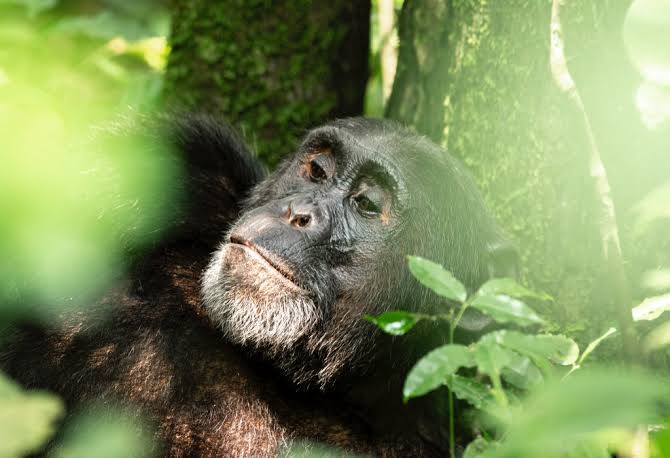
Chimpanzee in Gishwati-Mukura National Park
Gishwati forest supports chimpanzees and other primates, including monkeys. These are wild forest animals, and their presence does not mean that a standard, reliably bookable chimpanzee trekking experience is available in the same way as in Nyungwe. Travelers should verify which wildlife activities are currently authorised.
The highland forest supports a range of bird species and can be rewarding for visitors who enjoy slower, attentive wildlife observation. A specialist guide can help identify calls and species that might otherwise go unnoticed.
The surrounding countryside offers insight into the relationship between forest protection, farming and community livelihoods. Responsible visits can help travelers understand why conservation depends on people as well as protected boundaries.
Where authorised and available, guided walks are the most natural way to experience the park. They allow time to notice the forest’s textures, bird calls and changing light while learning about its conservation history.
Birdwatchers and photographers may enjoy the forest’s quieter pace. Patience is more useful here than a rigid wildlife checklist, and a local guide can make a substantial difference to the experience.
Visitors interested in sustainability can ask about legitimate community and conservation initiatives in the surrounding area. The most meaningful experiences are those organised with local participation and clear benefits to the community.
Gishwati-Mukura can complement a trip to Lake Kivu, the Congo Nile Trail region or Nyungwe, provided the routing and park access are checked in advance. It is best approached as a thoughtful addition to a journey, not a substitute for a guaranteed primate encounter.
Relatively drier months, especially June to September and December to February, are generally more comfortable for forest walks and travel on rural roads. Rain is still possible in Rwanda’s highlands at any time, and the forest is often particularly beautiful when clouds gather after a shower.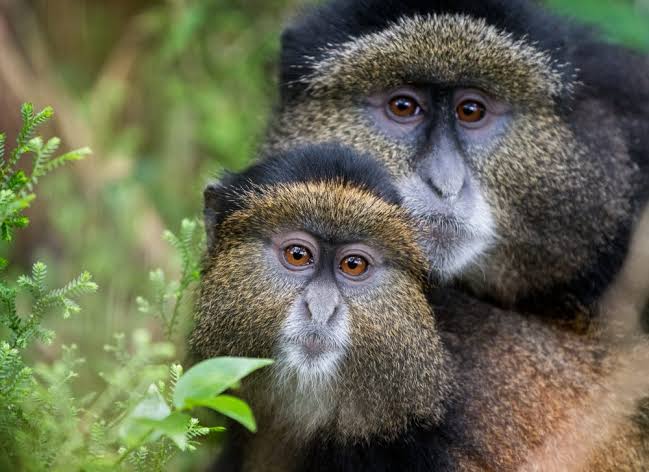
Unlike more established tourist parks, the most important planning consideration is current visitor access and activity availability. Confirm arrangements before making the journey, and allow flexibility if weather or conservation operations affect the visit.
It is a small but important forest conservation landscape where visitors can learn about habitat restoration, primates, birdlife and community-based conservation.
Chimpanzees inhabit the forest, but travelers should not assume a standard chimpanzee tracking product is available. Confirm authorised visitor activities before booking.
No. They are separate national parks. Nyungwe has more established chimpanzee tracking and visitor trails, while Gishwati-Mukura is a smaller, developing forest destination.
Relatively drier months can make walking and access easier, but current park operations and guiding availability should determine the final plan.
Gishwati-Mukura is a reminder that a rewarding journey does not always need a dramatic wildlife encounter. Sometimes the lasting memory is the forest itself and the people working to protect it. Entale African Safaris can help assess how this lesser-known destination might fit into a carefully planned western Rwanda journey, subject to confirmed park access and activities.