
Ndutu Off-Road Driving Rules for Wildlife Photographers
If you are planning a wildlife photography safari in Tanzania, it is good to know the Ndutu off-road driving rules. Getting a picture of a wildebeest calf at eye level or a cheetah against an open sky requires a vehicle position. Where your guide can stop and wait will depend on the specific area you are visiting and the permissions that apply there.
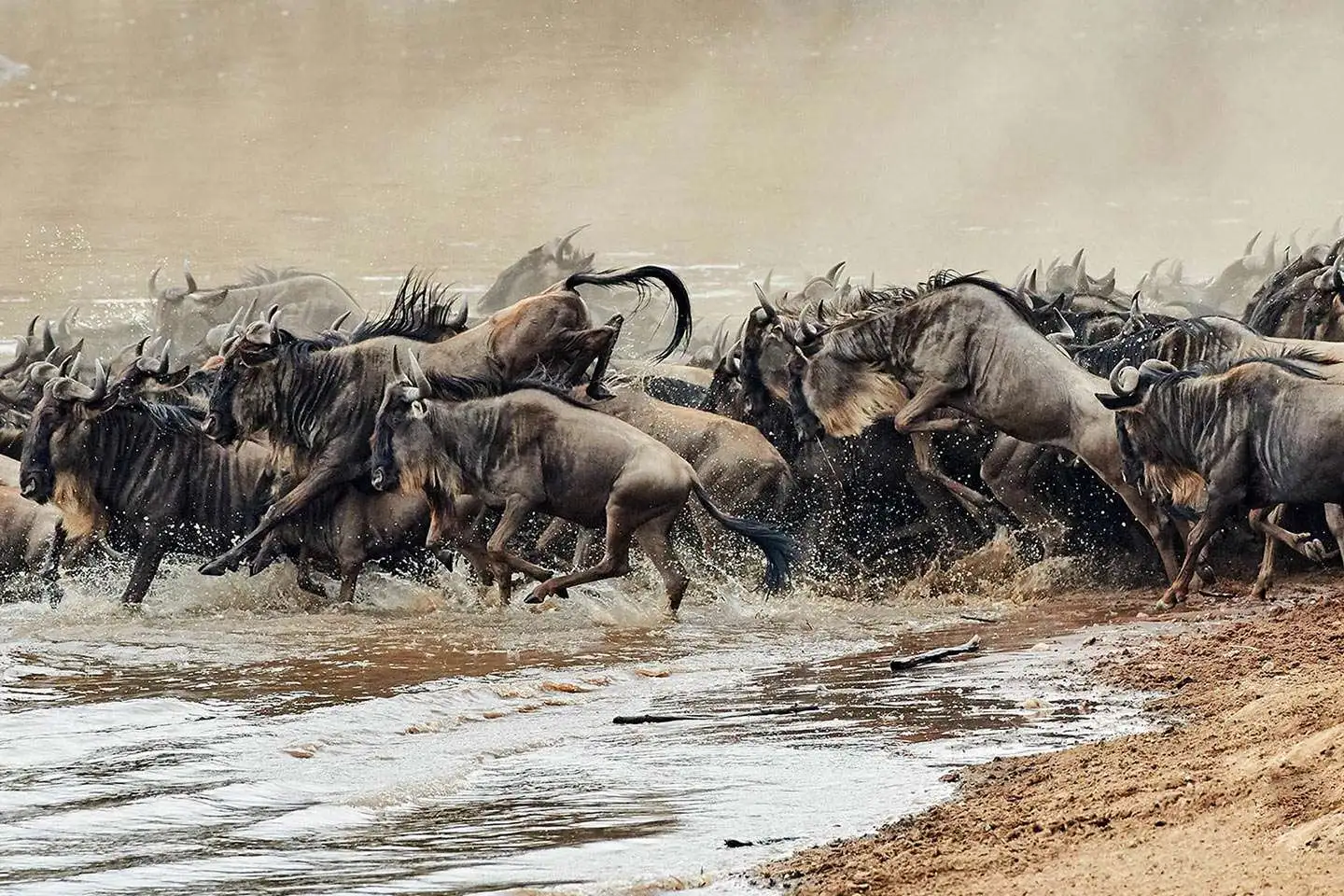
The country around Ndutu changes to acacia woodland and the shores of seasonal lakes. What appears to be a dark line on the horizon in the morning could spread through the grass by afternoon. For a photographer, those changes are an opportunity to create images that are very different from each other, all within one drive. They also explain why the guide’s knowledge of the terrain is as important as the vehicle.
The Ndutu area is near the border of the Ngorongoro Conservation Area and Serengeti National Park. A camp that advertizes itself as being “in the Ndutu area” could get you on either side of that boundary. But before you book any camp or photography package, you should ask where the game drives actually will take you.
Ndutu off-road driving rules and what it means for your game drives
On the Ngorongoro side, off-road driving requires official authorization in the concerned area. In Serengeti National Park, vehicles are usually restricted to designated roads and tracks, with off-road access only allowed in specific areas. Ask your safari planner about the rules for your dates, itinerary areas, and any permissions you need.
The question is how much choice will your guide have at a particular sighting? A well-placed track may already offer a clear view. In another sighting, the best decision might be to wait for the animal to move or to try a different authorized trail. Even where off-road access is allowed, your guide needs to take into account the ground conditions, the animal’s behavior, and the amount of space other vehicles are giving.
How your guide works within the Ndutu off-road driving rules
Tell the guide what you want in your picture. A request like “I would love a clean frame of a calf next to its mother” is more useful than “Can we get closer?” Your guide can find a place with a clean background and just let the animals come through it naturally. If the image is backlit, you may need to wait for the sun to set or the herd to turn.
When several vehicles are already at a sighting, let your guide make the call. You may find a quieter encounter nearby to move on to. A jackal hunting in open grass or two calves off the herd can buy you more time to work on a photograph than a crowded big-cat sighting.
What to ask before you pay a deposit
If the itinerary goes across the boundary, ask what conservation area or park your drives will take you through and if the quote includes the entrance fees for the same. If a package advertizes off-road access, ask what that means and how it will be verified. It is also worth asking if you will have the same guide for your entire stay. A guide can see how you drive on the first morning and use that knowledge on the next drives.
Kindly share any practical requirements before the vehicle is allotted. If you like to shoot from a seat, carry a heavy lens, or need assistance boarding, those details impact which vehicle will best serve you over several days.
Plan an Ndutu safari around the photographs you want.
A good Ndutu photography itinerary gives you time to work a sighting, a guide who knows the light, and a base that makes sense for the areas you’ll explore. Decide which wildlife and landscapes you want to photograph most, and plan your route and camp around those priorities.
Send your preferred dates, group size, and two or three subjects you would love to photograph to us at info@entaleafricansafaris.com. We will help you plan the route, check the access arrangements, and select an appropriate vehicle.

Entale Africsn Safaris
Sharing travel inspiration, destination knowledge and practical tips for exploring East Africa.