
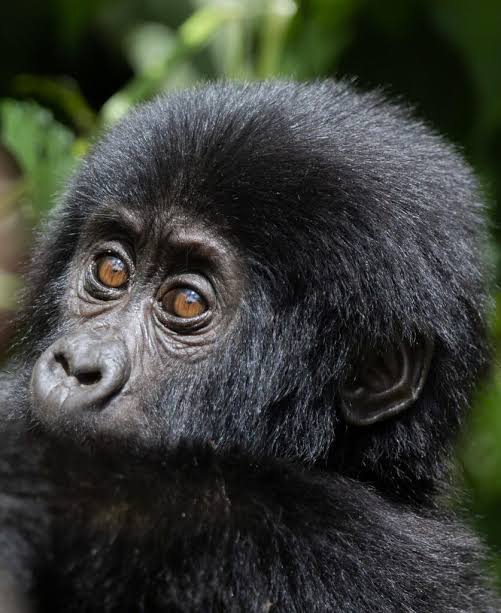
A responsible gorilla trekking experience begins before you even get your feet into the forest and requires you to act responsibly. It means having a valid permit, speaking up if you feel sick, and listening to your ranger when you get to the gorillas. Whether you visit Bwindi or Mgahinga in Uganda or Volcanoes National Park in Rwanda, your choices help preserve the gorillas and the forest they depend on.
On the morning of your trek, you may face one of the toughest decisions. Months of planning the trip, and then you wake up with a sore throat or a new cough. Mountain gorillas can contract human infections, so please let your guide know before you leave the lodge. It makes that conversation easier to know who to call and what your booking covers.
After you have seen the gorillas, let them continue their day. You can see a young one climbing over its mother, or you can hear a gorilla pulling leaves off a branch. Stay where the ranger puts you, keep your voice low, and let the meeting happen at gorilla speed.
What Does Responsible Gorilla Trekking Involve?
Responsible gorilla trekking means keeping the gorillas healthy, limiting the disturbance, and respecting the people who live and work around the park. This includes what you do before booking, how you behave in the forest, and how you share the experience afterward.
Regular treks mean the gorilla families are used to people under controlled conditions, and we don’t surprise them. They are still free to move around the forest, and you may come across a family feeding, resting, or traveling. Your ranger figures out where the party is and when it’s safe to move. Follow those directions even if a branch blocks your view or a gorilla disappears from sight.
How to Plan a Responsible Gorilla Trek Before You Travel
Book your permit through an authorized channel.
Book the park of your choice through a licensed tour operator or the official booking channel. Get written confirmation on the park, trek date, permit category, and what is included in your safari price. In Bwindi, select your lodge after confirming your trekking sector and briefing point. A property advertized as close to Bwindi might be a long drive from the sector where you need to report.
If you are traveling with children, please check the park’s minimum age before paying for permits. Plan an activity for those too young to trek so the whole family knows what to expect on the day.
Ask about what happens if you get sick.
Know who to contact if you get symptoms before you pay. Ask whether the date can be moved, what costs you could lose, and what documentation your insurer might need. Check the small print on cancellation and ensure that your policy covers gorilla trekking. Please be aware that your options are subject to availability and booking conditions, so obtain answers in writing.
“Talk about the terrain and your mobility.
If you have arthritis, a bad knee, or are concerned about steep, slippery trails, let your operator know early on. Ask if you can ask for a shorter hike and what assistance is available at the park you prefer. A ranger may take your request into account during group allocation, but the gorillas roam free so walking time and terrain may vary.
A local porter can carry your daypack, freeing your hands to balance. If you need more support, please discuss your options before booking so you can decide if the trek is right for you.
Protect Gorilla Health by Reporting Symptoms Early
If you develop a new cough, sore throat, fever, runny nose, vomiting, or diarrhea, please call your guide before coming to the park. Tell the park team if you had close contact with someone who was ill recently so we can advise. If you begin to feel symptoms on the trail, tell the ranger right away. The mask is to help reduce exposure, and guests who may be infectious should stay away from the gorillas.”
Bring a clean, well-fitting mask and a spare in a dry bag. Check with your park for current requirements before traveling and follow your ranger’s instructions on when to put it on. The mask should fit securely over your nose, mouth, and chin. Clean hands before adjusting. Take any used masks with you.
If you have to cough or sneeze during the encounter, turn away from the gorillas and cover your nose and mouth with your elbow. Follow the ranger’s instructions to step away from the group.
Responsible Gorilla Trekking Rules to Follow in the Forest
Give gorillas room, even if they come towards you.
Plan to keep at least 10 metres, or about 33 feet, between you and the gorillas. Follow the distance given at your park briefing and leave more room whenever your ranger asks. Use binoculars or your camera’s zoom for a closer view.
A gorilla may cross the trail or move towards your group. Stay calm, keep your hands to yourself, and wait for the ranger to tell you where to move. Keep the gorilla’s path clear and avoid sudden movements, loud reactions, and prolonged direct staring.
Take photographs without flash and keep your voice low.
Turn off your flash, camera sounds, and phone notifications before you reach the gorillas. Ask the ranger before moving for a photograph. If the view is blocked, wait quietly for the gorilla to move or for the ranger to reposition your group. Keep your voice low and avoid calling to the gorillas or copying their sounds.
A standard gorilla trek allows up to one hour of viewing once the ranger begins the encounter. The hike to find the family is separate. When the ranger says it’s time to leave, pack up and go with your group, even if you’re waiting for one last photograph.
Keep food and waste away from the gorillas.
Store snacks and drinks away during the encounter. Ask your ranger where you can stop for food or drink, but never offer food to a gorilla or any other wildlife. Remove everything you bring in, including fruit peels, wrappers, tissues, and used masks.
Use the toilet before you depart the briefing point. If you need to go during the hike, discreetly inform the ranger and follow their instructions on where to go and how to deal with waste. Bring clean walking boots, stick to the trail your ranger picks, and leave plants and other natural objects as you find them.
Support Local Communities on Your Gorilla Safari
Hiring a local porter is one way to support working people around the park. Check the fee before you go on the trek so you can budget for it. If you have time, book a community-led walk or buy directly from a local craftmaker. Ask who runs the experience and how your payment gets to the people hosting you.
Ask permission before photographing guides, porters, families, and their homes. If you want to use a portrait on the Internet, explain where and ask for permission. If you are a child, ask a parent or guardian first. If you want to donate, talk to a community-based organization about their needs and how you can follow up on your donation.
You can also be mindful about what you share from the trek itself. Giving the national park a name gives context to readers. Please don’t give away the exact GPS coordinates and the specific route you took to find the gorilla family.
Plan Your Gorilla Trek With Entale African Safaris
Knowing where to report, what to pack, and who to call if your plans change makes gorilla trekking more responsible. The night before, stay close to your briefing point and allow enough time for the trek. If you have an extra day in your itinerary, you can spend it on a forest walk or a community-led visit.
Planning a gorilla safari in Uganda or Rwanda? Contact us at info@entaleafricansafaris.com for your travel dates, desired park, and any concerns you have regarding the hike. We can help to check permit availability, to select accommodation near your briefing point, and to prepare for the trek.

Entale Africsn Safaris
Sharing travel inspiration, destination knowledge and practical tips for exploring East Africa.