

Butterfly Watching in Uganda and Rwanda
Imagine that you are walking slowly in an African rainforest, sunlight filtering through the trees. A flash of blue, and another butterfly lands on a leaf next to you. Birds call from the canopy all around, and the forest thrums with life.
Uganda and Rwanda are best known for their gorillas and chimpanzees, but their forests are also excellent places for butterfly watching. A butterfly safari offers a wonderful way to experience East Africa at a gentler pace if you are a keen photographer, a lover of nature, or just curious about the smaller creatures of the rainforest.
In this guide, we share where to go butterfly watching in Uganda and Rwanda, what to bring, and how to combine your experience with some of the region’s most memorable wildlife encounters.
Where Can You Go Butterfly Watching in Uganda and Rwanda?
Semuliki, Kibale, and Bwindi in Uganda and Nyungwe national park in Rwanda are worth considering for those interested in butterflies. Your choice should be determined by the habitats you want to visit, your photography interests, and any additional wildlife experiences you would like to add.
Forget the mad dash between forests. Slow walks and changing weather are allowed. A sunny clearing that seems quiet early in the morning can become a lot more active once it warms up.
Best Places for Butterfly Watching in Uganda
Semuliki National Park: A Forest for Butterfly Enthusiasts
Semuliki National Park in western Uganda is a particularly compelling destination for travelers with a serious interest in butterflies. Its lowland tropical forest has strong ecological connections with Central Africa, giving it a different character from Uganda’s mountain forests. The Uganda Wildlife Authority identifies its butterfly diversity as one of the park’s notable attractions.
A dedicated research and conservation project has documented butterflies, including Bebearia brunhilda and Bebearia laetitioides. These are examples of the forest’s fruit-feeding butterflies, although finding and identifying particular species requires patience and appropriate expertise.
For a rewarding visit, request a guided walk with enough time to examine forest edges, sunlit vegetation, and suitable clearings. Semuliki can also be combined with birdwatching and a visit to the Sempaya hot springs.
Kibale Forest: Combine Butterfly Watching with Chimpanzees
Kibale is a good choice if you’re looking for a mixed forest break with time for chimp tracking, birdwatching, and seeing smaller wildlife. Instead of just noticing butterflies on your way to do something else, schedule a nature walk just for butterflies.
Let your guide know ahead of time that butterflies are a priority. The slower pace, checking out each flowering plant and pausing where the sun hits the trail, is different than a hike in search of primates.
Kibale and Semuliki can be visited as part of the same western Uganda itinerary, allowing you to experience contrasting forest environments without a long transfer day in between.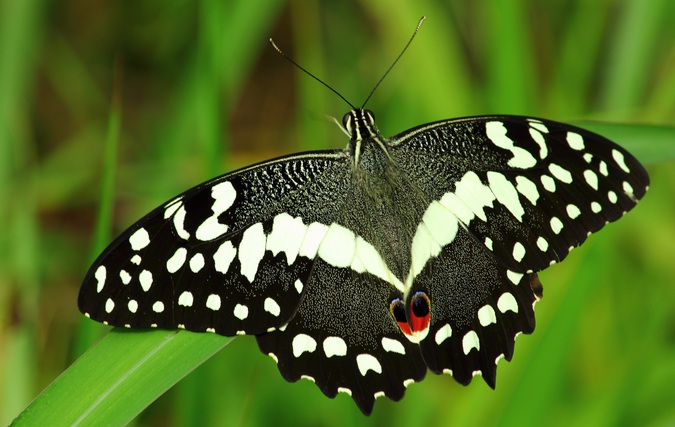
Bwindi Impenetrable National Park: Beyond the Gorillas
Bwindi’s butterflies offer another reason to spend more time around this remarkable forest. Uganda’s tourism information highlights butterfly diversity alongside the park’s guided forest walks, birds, and other wildlife.
If gorilla trekking is already part of your holiday, consider adding a separate day for a guided nature walk. A gorilla trek follows the needs and location of the gorillas, so it may offer limited time to stop for butterfly identification or photography.
Discuss your walking ability and interests before selecting a trail. Bwindi’s terrain can be steep, and a butterfly-focused experience should allow a comfortable pace with regular stops.
Where to Watch Butterflies in Rwanda
Nyungwe National Park: Butterflies, Forest Trails, and Photo Safari
Nyungwe, in southwestern Rwanda, is a natural choice for travelers who enjoy rainforest scenery and close observation. Visit Rwanda specifically mentions butterflies along the walk from Uwinka Reception Center to the canopy walkway.
The attraction is the whole forest experience of butterflies resting on leaves, birds moving through the branches, and changing light across the vegetation. In a rush, it’s easy to miss details that a guided walk allows you to enjoy.
In Nyungwe you can combine time with chimpanzee tracking, the canopy walkway, or a relaxing stay around Lake Kivu. Please check the suitability and availability of each individual trail before you go.
Best Time to See Lots of Butterflies
You can often see active butterflies most easily on warm, sunny days with little wind. Heavy clouds, rain, and cool temperatures can all inhibit flight activity, so the weather on the day is as important as the month you travel. Butterfly Conservation suggests you look for butterflies on warm, sunny days.
There is no single month that guarantees the best sightings in all the forests in Uganda and Rwanda. Rainfall, altitude, flowering plants, and the life cycles of individual species will all affect what you might find.
Ask about conditions at your destination for planning purposes and allow more than one walk opportunity. If a certain butterfly is the main reason for your travel, seek specialist advice before confirming your dates.
What Time of Day Is Best?
For watching butterflies in flight, aim for a period when the forest edges and clearings have warmed in the sun. Photography may be easier earlier, while some butterflies are still resting or warming up. In hotter conditions they can become more active and harder to photograph
A flexible schedule helps your guide respond to the actual conditions.
What Equipment Do You Need for Butterfly Watching?
You do not need expensive equipment to enjoy the experience. These items will make your walks more comfortable and useful:
- Close-focusing binoculars: Check the minimum focusing distance; some binoculars designed for distant wildlife are less useful for nearby butterflies.
- Camera or smartphone: A camera with a macro lens or a close-focusing zoom is helpful for detailed photographs.
- Spare batteries and memory cards: Especially useful on longer forest visits.
- Field guide or identification resource: Choose one relevant to African butterflies; photo identification apps should be treated as suggestions.
- Notebook or phone notes: Record the date, location, weather, and observed behavior.
- Comfortable walking shoes: Select footwear with a reliable grip for muddy or uneven trails.
- Lightweight long trousers and a long-sleeved shirt: Useful for walking through forest vegetation.
- Rain jacket and waterproof equipment cover: Rain is possible even when the morning begins brightly.
- Drinking water, sun protection, and a small daypack: Bring enough for the length of your walk.
For ordinary butterfly watching, observation and photography are sufficient; collecting equipment is unnecessary.
Butterfly Photography Tips for Forest Walks
Go slowly and stop before you get close to a butterfly. It might fly away if you make sudden moves or if you cast your shadow upon it. First watch its behavior; it might return to a favorite perch or continue feeding nearby.
Try to get pictures of the upper wings and the underbelly when you can. Different views can be useful for identification later. A clear photo of the body and antennae would also help.
“Stay on approved trails, don’t touch the wings, and keep your distance.” If a butterfly gets up, let it go and settle instead of chasing it over and over again.
Can Beginners Enjoy a Butterfly Safari?
Yep. You don’t know scientific names, and you don’t have specialist gear, but you can have fun watching butterflies. Look for differences in size, color, wing shape, and behavior first.
A rewarding experience for a beginner should include time to ask questions and learn how to observe without disturbing the wildlife. If you want to identify species in detail, make sure there’s a guide with butterfly knowledge available before you book if you’re a traveler. A general safari guide and a specialist butterfly identifier require different knowledge.
Butterfly Watching and Study Trips
A butterfly-focused visit can also interest natural history groups, photographers, and students. Recording photographs, locations, and behavior can add purpose to your walks. The Semuliki butterfly project encourages visitors to contribute images that may help improve knowledge of the park’s butterflies.
Formal research is different from recreational observation. If your plans involve sampling, trapping, handling, or collecting specimens, explain your proposed work in advance so you can check the relevant permissions and arrangements.
How to Combine Butterflies with Other Safari Experiences
Butterfly watching works well as part of a broader nature holiday. Depending on your route, you could combine:
- Semuliki’s forest walks with birdwatching and the Sempaya hot springs.
- Kibale with chimpanzee tracking and additional nature walks.
- Bwindi with gorilla trekking and a separate forest exploration day.
- Nyungwe with chimpanzee tracking, the canopy walkway, and Lake Kivu.
Allow dedicated time for each interest. Travelers focused on photography or species identification will usually benefit from fewer destinations and longer stays.
Frequently Asked Questions
Are butterfly sightings guaranteed?
No. Butterflies are wild animals, and sightings depend on weather, habitat, and seasonal activity. Flexible walking times and repeat visits can improve your opportunities.
How many days should I allow?
A half-day walk can be an enjoyable introduction. For a trip centered on butterflies, consider several forest sessions across multiple days, allowing time for weather changes and different habitats.
Can I see butterflies during gorilla trekking?
You may notice butterflies along the way, but gorilla trekking follows a specific purpose and pace. Book a separate nature walk if butterfly observation or photography is important to you.
How much does a butterfly-watching safari cost?
The cost depends on your trip length, accommodation, transport, park activities, and guiding requirements. Could you please request an itemized quotation and indicate if you require specialist identification support?
Can I visit both Uganda and Rwanda on one nature safari?
Yes. A combined journey can include forests in both countries, provided you allow enough time for transfers and confirm entry requirements for your nationality before traveling.
Plan Your Butterfly-Watching Safari with Entale African Safaris
Would you like to slow down, explore a rainforest, and see the wildlife that many visitors overlook? Entale African Safaris can assist you in planning a personalized nature journey in Uganda and Rwanda that includes butterfly watching, bird watching, forest walks, and other wildlife experiences.
Send us your preferred dates, number of travelers, estimated budget, and primary interests. If you are a photographer, student, or experienced butterfly enthusiast, please let us know about your goals so that we can look into suitable locations and guiding options. Send us these details at info@entaleafricansafaris.com.

Entale Africsn Safaris
Sharing travel inspiration, destination knowledge and practical tips for exploring East Africa.