
Kenya Responsible Safari: Discover the Maasai Mara & Tsavo
On safari, the first thing you notice might be the silence. Then the grass starts moving. In the distance, there is an elephant. These are the moments that you remember long after you’re home and share with friends looking up to an African safari.
Kenya’s wild places provide plenty of such experiences, from seeing the plains of the Maasai Mara come to life to following the tracks of red-dusted elephants through Tsavo. But the stories of these landscapes are as compelling as the wildlife. They are the communities that live with wild animals, the guides who know the land, and the people who protect it for the future.
You can visit these places on an ethical Kenya safari with an increased sense of awareness. You can make your trip more meaningful by being intentional about where you stay, how you experience wildlife, and which local businesses you support. Here, we look at the Maasai Mara, the Serengeti ecosystem with which it is linked, and Tsavo, and explore practical ways to travel with care.
Kenya’s renewed conservation vow
In October 2026, Kenya launched Thamani Asili, a conservation initiative designed to support wildlife protection and community livelihoods over the next ten years.
The program brings together USD 160 million in commitments, with funding from the Kenyan government and philanthropic partners. Its four priority landscapes include the Tsavo-to-Coast region and southern Kenya, which includes the wider Maasai Mara landscape.
The program aims to improve the management of existing conservation areas and support communities in managing land and natural resources. It is a long-term commitment, and its results will depend on how the program is put into practice.
For travelers, Thamani Asili offers a useful reminder: the future of a safari destination depends not only on the animals within a national park but also on the people, habitats, and conservation work beyond its boundaries.
The Maasai Mara and Serengeti: One Connected Landscape
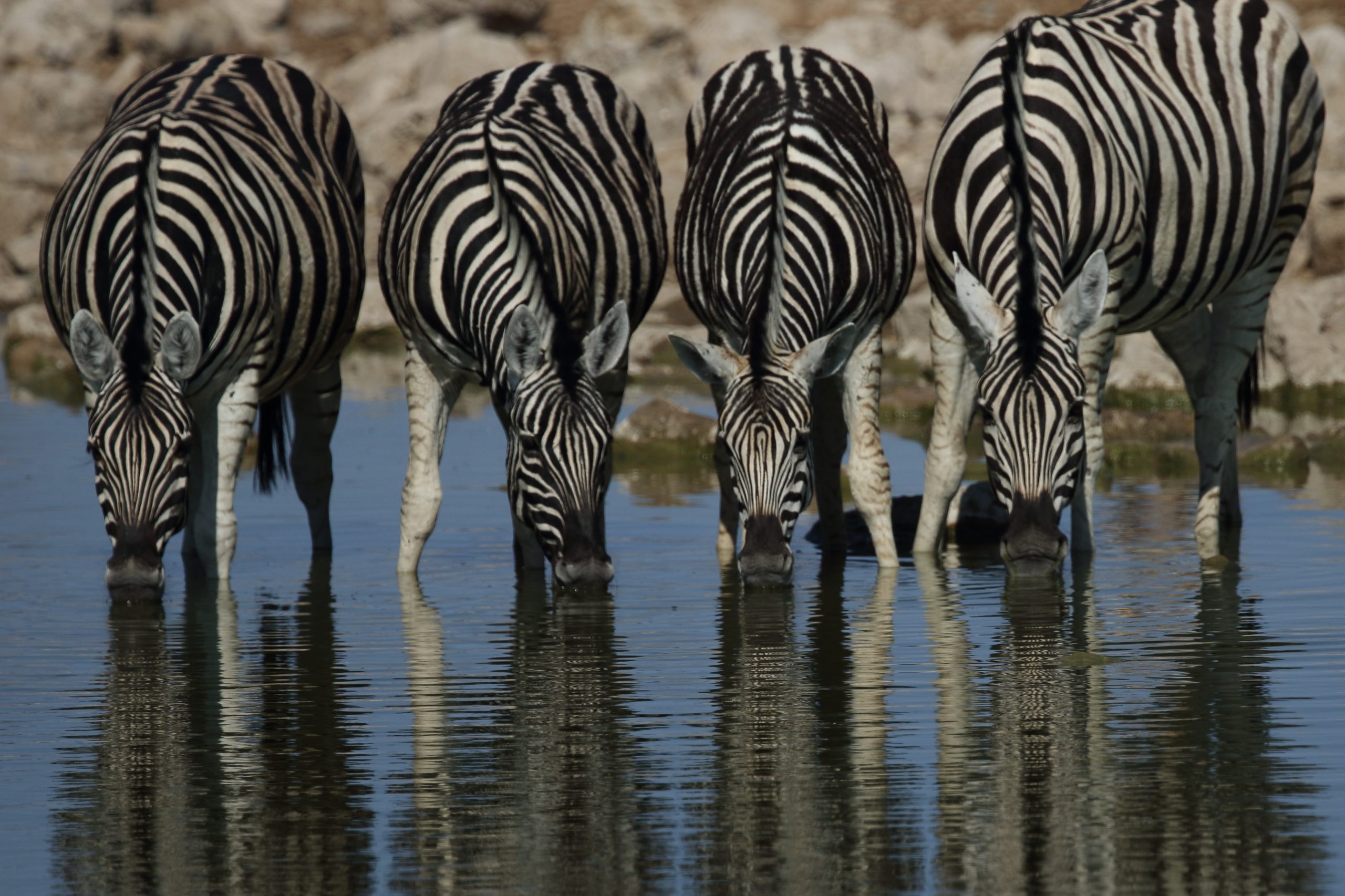
The Maasai Mara in Kenya and the Serengeti in Tanzania are part of one large, connected ecosystem. On a map a border may separate them internationally, but wildlife moves across the larger landscape in search of grazing and water.
It is renowned for the Great Migration, when vast herds of wildebeest and zebra sweep across the plains. These habitats are also critical for lions, leopards, cheetahs, and other predators. The herds’ exact situation depends on rainfall and grazing conditions, and no one can ever guarantee a crossing or specific sighting.
A Maasai Mara conservation safari can also open visitors’ eyes to the role of conservancies around the reserve. These areas have different ownership and management, so it’s worth asking how a specific conservancy works with local landowners and how tourism revenue is disseminated.
How to Visit the Maasai Mara Responsibly
Contact us for those who adhere to wildlife-viewing rules and allow the animals room. A patient encounter can often tell more than racing from one sighting to another.
If you’re considering a stay in a conservancy, ask your safari planner how it benefits local landowners, whether local people are involved in decisions, and what fees or contributions are included in your trip. A meaningful answer will explain the arrangement, not just use the word “sustainable.”
Community visits can also be rewarding when local hosts invite and lead them. Ask about the experience itself, how hosts are paid, if photography is allowed, etc.
Kenya’s Red Earth Wilderness: Tsavo
Tsavo provides a different type of safari experience. Its broad landscapes, volcanic hills, rivers, and red soil provide a dramatic backdrop for wildlife viewing.
The wider Tsavo landscape is particularly important for elephants but also for lions, giraffes, and many other species. Visitors will see elephants covered in the reddish dust of the area, a memorable sight that has become synonymous with Tsavo.
One of the first conservation priorities for Thamani Asili is the Tsavo-to-Coast landscape. The program’s aim is to help achieve lasting conservation and community livelihoods in its priority regions.
A Tsavo conservation safari will appeal to travelers looking to explore beyond Kenya’s most popular safari routes, while learning about the challenges of protecting wildlife across vast landscapes.
Local Communities and Conservation: Why They Matter
Wildlife conservation is closely connected to the lives of people who live alongside animals. Communities may face real costs, including crop damage, livestock losses, and restrictions on how land can be used.
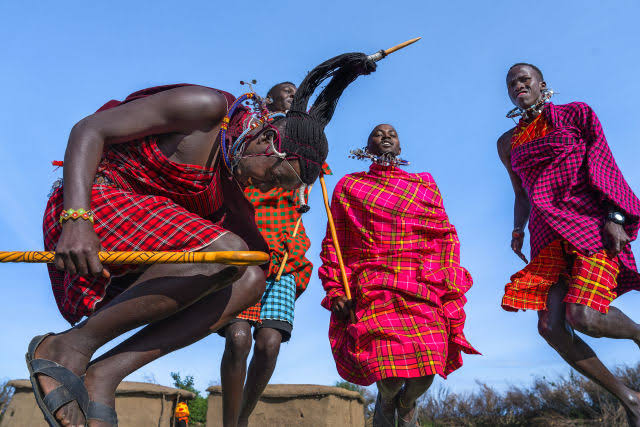
Maasai peopl
Tourism can contribute to local livelihoods through employment, guiding, accommodation, crafts, and locally owned businesses. But benefits are not automatic or equally shared. Travellers can ask operators and lodges for specific information about local employment, sourcing, and community partnerships before booking.
A respectful visit starts with listening. Community members should be able to decide how they present their culture, welcome visitors on their own terms, and benefit fairly from the experience.
How to Plan a More Responsible Kenya Safari
Small decisions throughout a trip can make a difference. When planning your safari:
- Ask about conservation fees. Find out which park or conservancy fees are included in your quote and where possible how they are used.
- Choose thoughtful wildlife viewing. Follow your guide’s instructions, keep noise down, and never encourage an animal to approach your vehicle.
- Support local businesses. Consider locally owned accommodation, guides, restaurants, and artisans where these are available and suit your itinerary.
- Ask for evidence. If a lodge describes itself as eco-friendly, ask about its water, waste, and energy practices, as well as its relationships with local communities.
- Be considerate with photography. Ask permission before photographing people, particularly during community visits.
- Consider your travel footprint. International and domestic flights produce emissions. A longer stay, fewer internal flights where practical, and thoughtful routing can help reduce some travel impacts, although they do not remove them.
Can You Combine the Maasai Mara and Tsavo on One Safari?
Yep. You can combine Maasai Mara and Tsavo on one Kenya itinerary. The best way depends on the time you have, your budget, the type of accommodation you like, and whether you prefer to travel by road or take a domestic flight for part of the journey.
A longer trip allows you to taste the differences between the two landscapes instead of spending every day moving between destinations. Your safari can also be tailored to wildlife photography, family travel, cultural experiences, or a beach holiday on the Kenyan coast.
Can you merge Kenya with Uganda or Tanzania?
Yes. Many travelers combine a Kenya safari with gorilla trekking in Uganda or a Serengeti safari in Tanzania. These journeys require careful planning around travel time, entry requirements, flights, and the availability of activities such as gorilla trekking permits.
At Entale African Safaris, we can assist you in exploring your options and designing a journey around the experiences that are most important to you. We recommend that you check the current entry and health requirements for each country before booking, as they can change.
Frequently Asked Questions
What is a responsible safari in Kenya?
A responsible safari considers the welfare of wildlife, the environment, and the people living in and around the places visited. It involves practical choices, such as respectful wildlife viewing, learning about local conservation, and choosing experiences that can demonstrate how they benefit local people.
Is the Maasai Mara connected to the Serengeti?
Yes. The Maasai Mara in Kenya and the Serengeti in Tanzania are part of a connected ecosystem used by wildlife. The timing and location of the Great Migration vary with natural conditions.
What makes Tsavo special for a safari?
Tsavo is known for its extensive wilderness, red-earth scenery, and elephant populations. Its landscapes offer a different experience from the open grasslands commonly associated with the Maasai Mara.
Does visiting Kenya automatically support conservation?
Park and conservancy fees can contribute to conservation and local livelihoods, but arrangements vary. Ask your operator which fees are included and how a particular accommodation or conservancy supports its surrounding community.
When is the best time to visit the Maasai Mara or Tsavo?
The best time depends on your interests, budget, and preferred experience. Wildlife can be seen throughout the year, while rainfall, road conditions, vegetation, and visitor numbers vary by season. If the Great Migration is your priority, ask for advice based on your proposed travel dates—and remember that river crossings are never guaranteed.
Let us plan your ethical safari in East Africa
If you dream of seeing wildlife in the Maasai Mara, the red-earth landscapes of Tsavo, or combining Kenya with Uganda and Tanzania, a well-planned trip can get you closer to the remarkable places of East Africa and the stories behind them.
Contact Entale African Safaris to discuss a bespoke safari, inquire about conservation-focused experiences, and plot a route that matches your travel dates and interests.

Entale Africsn Safaris
Sharing travel inspiration, destination knowledge and practical tips for exploring East Africa.